RD Precision Locator Accessories

Build your Radiodetection locating setup with RD receiver and Tx transmitter accessories. Browse clamps, connection leads, power packs, chargers and carrying equipment, alongside sondes and specialist locating tools.
Price
–
Availability
Accessory Type
Condition
Manufacturer
Compatible With
Accuracy
51 Items

Page 1 of 2 · 51 items

Find the right equipment

Choosing accessories for your RD locator and Tx transmitter

Choose by the job the accessory does, then match it to the receiver or transmitter it connects to. RD generations and accessory connections are not interchangeable across the whole range.

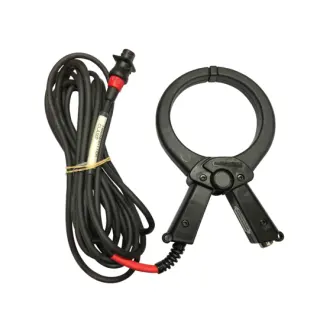
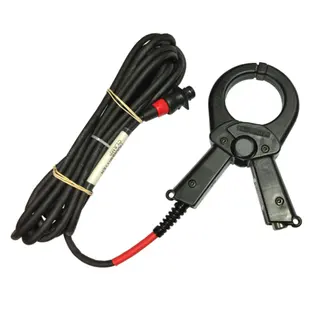
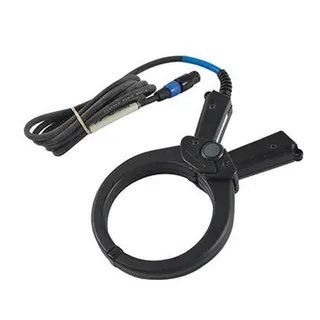
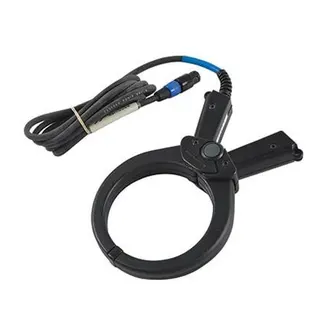
Transmitter clamps and receiver clamps

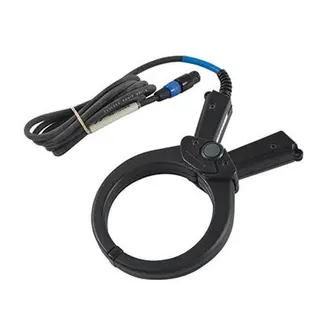
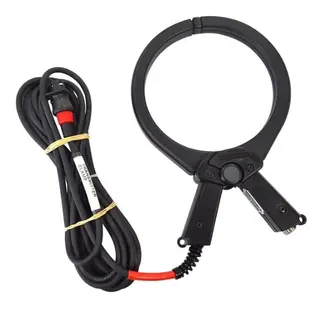
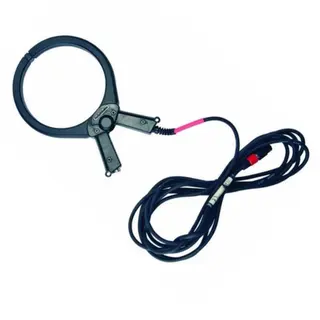
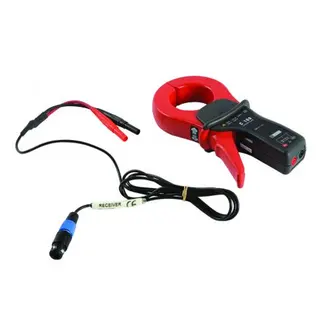
A transmitter clamp applies a locating signal to a suitable cable without a direct metal-to-metal connection. A receiver clamp picks up a signal around a cable for identification or measurement with supported equipment. They perform different jobs.
Choose the correct clamp type, jaw size, connector and operating range. Current Direction and current measurement functions also depend on the compatible receiver, transmitter and accessory combination.
Direct connection and signal return

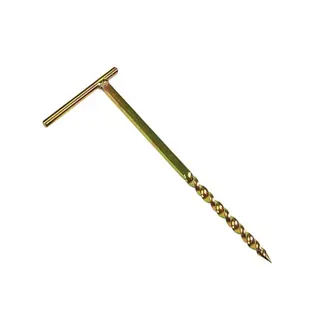
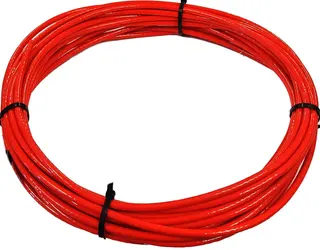
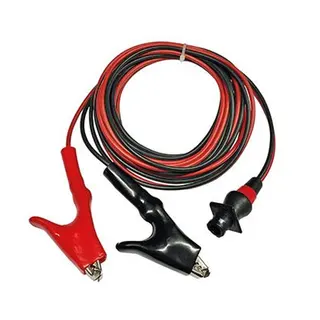
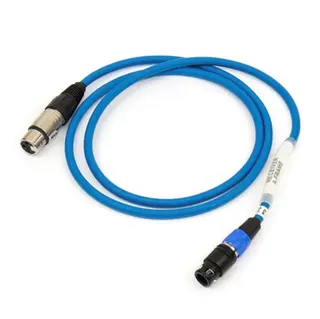
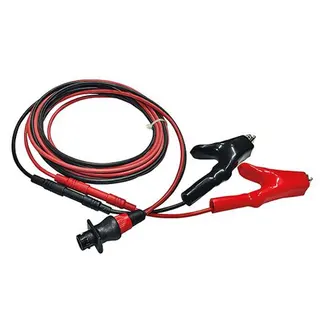
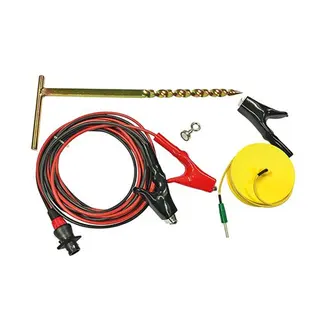
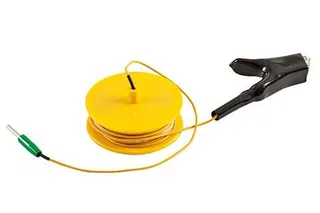
Connection leads, earth stakes and earth extension reels support an active signal setup. Their role differs from a signal clamp: direct connection uses an appropriate connection point and signal return path.

Use only the connection method and accessories approved for the service and equipment. Direct connection to live conductors requires the appropriate equipment, procedures and qualified personnel; ordinary locating leads are not a substitute for a live connection accessory.

Batteries, chargers and carrying equipment

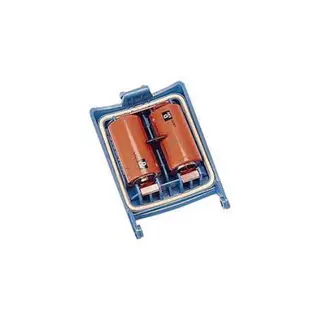
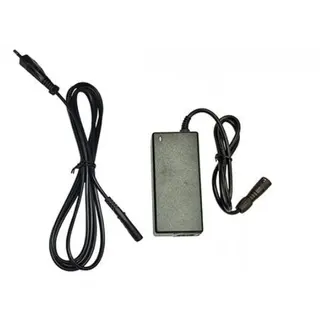
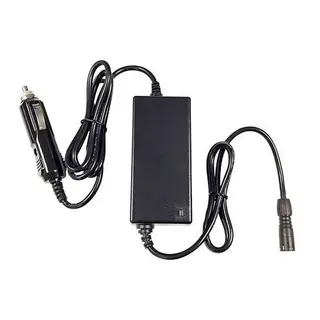
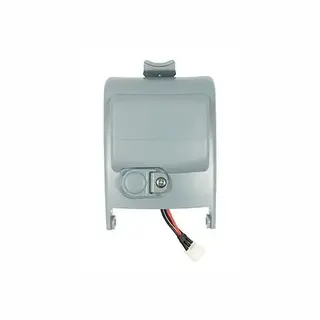
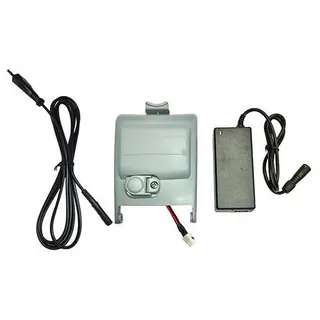
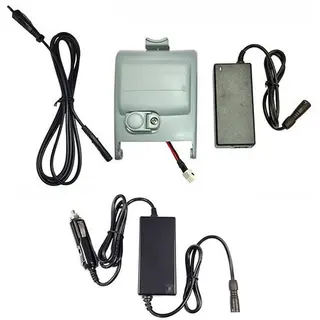
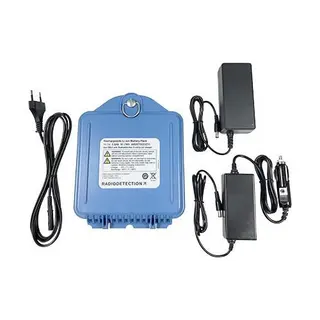
Receiver and transmitter battery packs serve different devices. Match the model generation, pack type and charger connector, and choose mains or vehicle charging for the way you work. A charger alone and a battery-and-charger kit are different purchases.

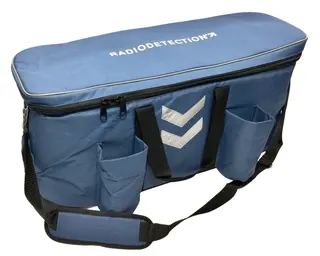
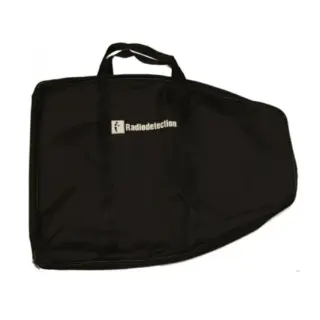
Cases and bags protect equipment in transport. Compare the space and fit needed for the receiver, transmitter and accessories you carry. A protective case does not add locating functions.

Sondes, rods and specialist tools

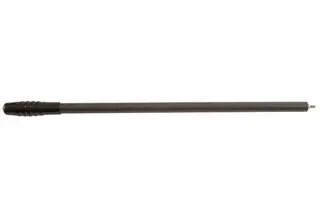
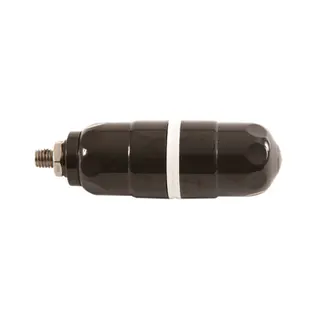
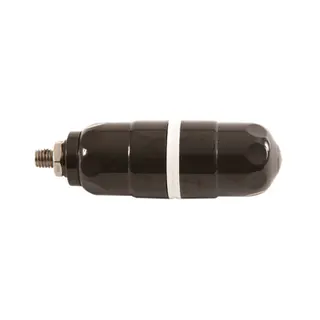
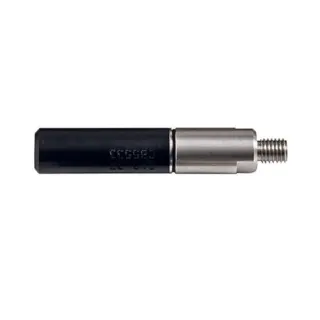
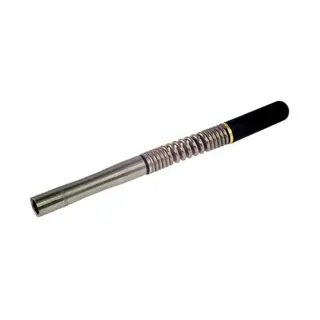
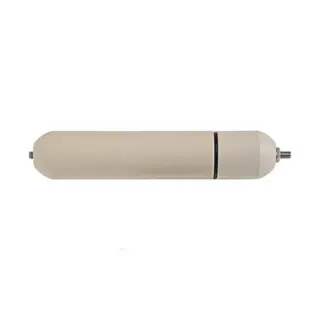
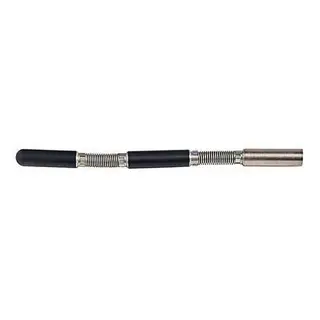
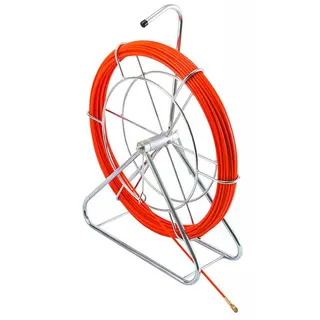
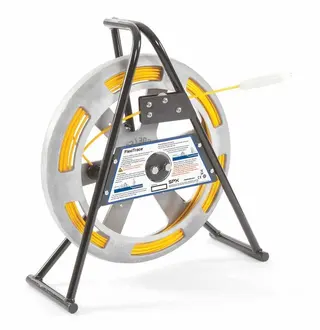
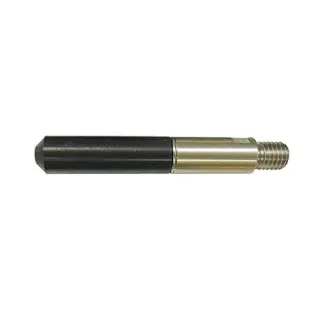
A sonde creates a signal at a point inside a pipe or duct; the receiver needs the matching sonde frequency. A traceable rod provides a signal along its length when used as specified. A plain Flexrod is a mechanical push rod and does not become traceable simply by pairing it with a receiver.

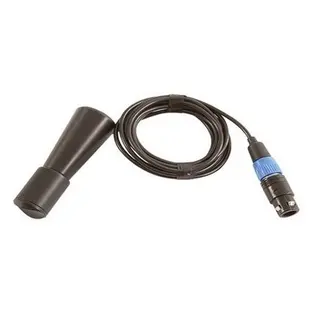
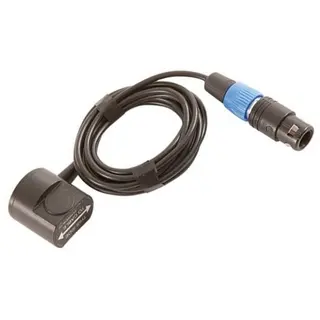
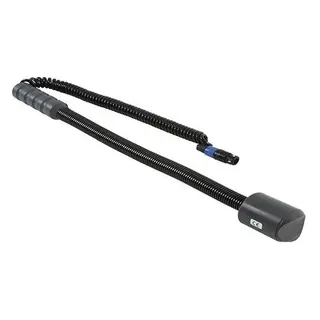
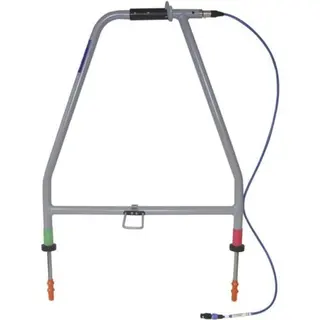
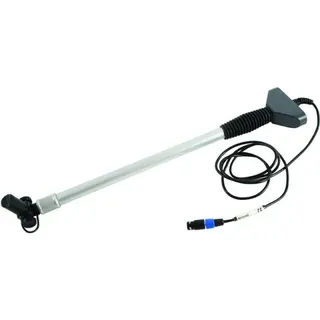
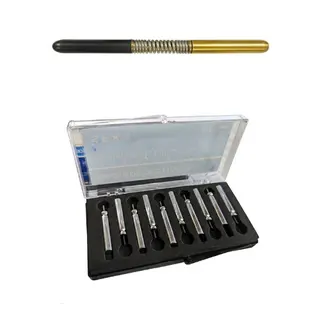
A-frame fault finding, stethoscopes and submersible antennas address specific jobs. Their supported modes, frequencies, connections and operating limits belong to the exact accessory and equipment combination.

Find the accessory type for your task
TaskAccessory typeCompatibility that matters
Apply a signal without direct connectionTransmitter clampTransmitter connection, frequency range, cable size and installation
Identify a cable with a receiverReceiver clamp or stethoscopeReceiver input, supported signal mode and accessory connection
Prepare a direct connection setupConnection lead, earth stake and extension reelTransmitter connection, service and safe application method
Power equipment through the working dayBattery pack and compatible chargerReceiver or transmitter model, pack generation and charger connector
Trace a pipe or ductSonde or traceable rodReceiver frequency, pipe access, rod or sonde dimensions and operating limits

Frequently asked questions

Practical answers to help you choose your equipment.

Do all RD accessories fit every RD locator?

No. RD7000, RD7100, RD7200, RD8000, RD8100 and RD8200 equipment spans different generations and configurations. Match the accessory to its stated receiver or transmitter models, connection and supported mode.

What is the difference between a transmitter and receiver clamp?

A transmitter clamp puts a signal onto a suitable cable. A receiver clamp detects a signal around a cable for supported identification or measurement tasks. The connectors, signal path and intended instrument differ; one is not a direct replacement for the other.

Can I use an A-frame with any RD setup?

A-frame fault finding requires a receiver and transmitter that support the required fault-finding signal, together with the compatible A-frame and lead. An A-frame is not a universal upgrade for every locator.

Will any sonde work with my locator?

The locator must support the sonde's frequency and locating mode. Physical fit through the pipe or duct also matters. A sonde's stated detection depth does not override the receiver's limits or the effects of ground and pipe conditions.

Is a duct push rod the same as a traceable rod?

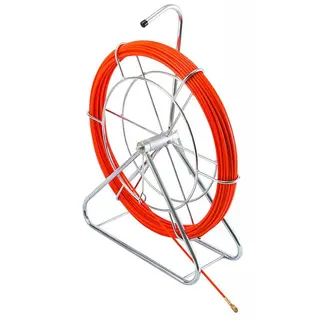
No. A plain duct rod pushes a sonde or other equipment through a duct. A traceable rod has the construction and connections needed to carry an applied locating signal. Choose the type that suits the tracing method.

Related equipment and services