Precision Locators

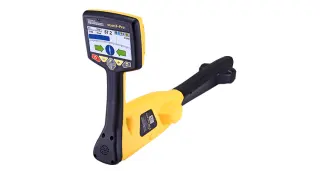
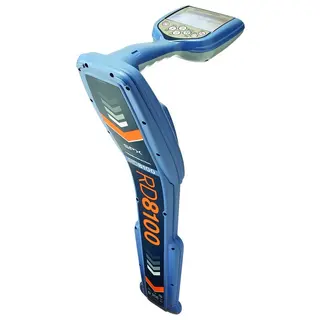
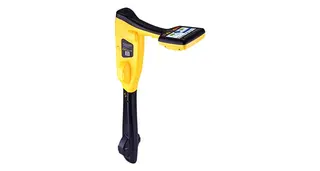
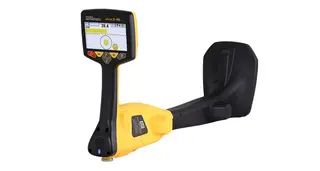
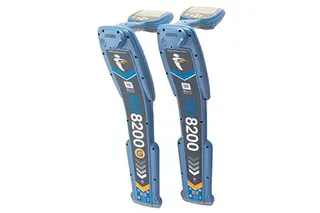
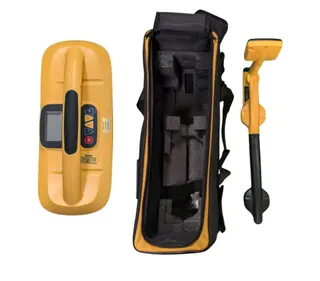
Find precision cable and pipe locators from Radiodetection and Vivax-Metrotech for tracing buried services. Compare standalone receivers and locator kits, with new, used, refurbished and ex-display equipment across the range.
Price
–
Availability
Condition
Manufacturer
Compatible With
IP Rating
Certifications
31 Items

Find the right equipment

Choosing a precision cable and pipe locator

Start with the services you trace and the records you need to produce. Then choose the receiver, transmitter and accessories that support that work.

A receiver or a locator kit?

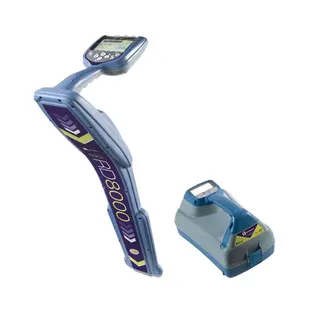
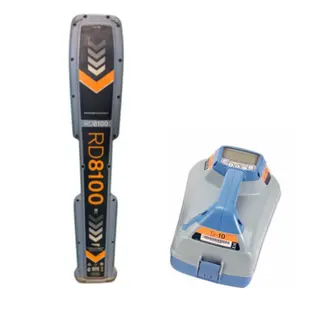
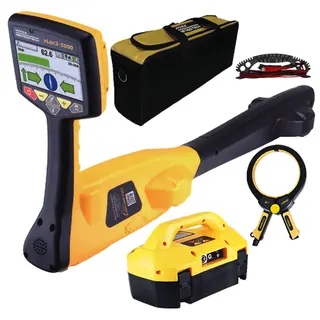
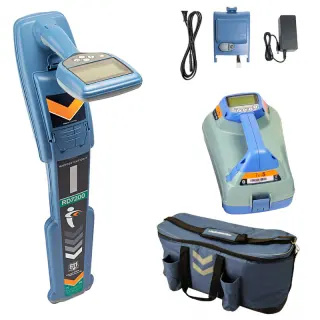
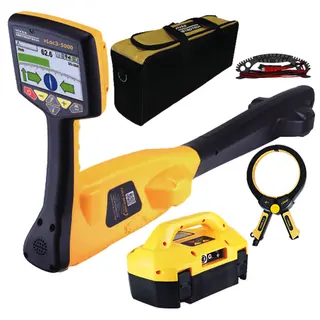
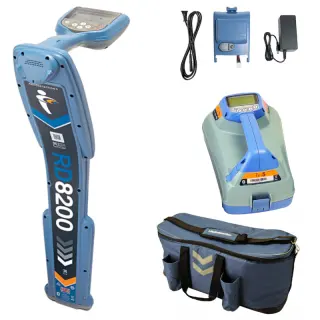
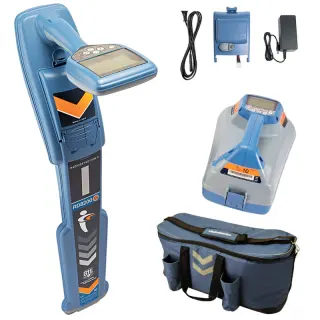
A standalone receiver is a practical choice when you already have a suitable transmitter. A kit brings equipment together for a new team or replacement setup. Compare the base contents and selected options: a transmitter shown in a photograph or offered in a selector is not automatically included.

For active tracing, the receiver and transmitter need a common operating frequency. Their supported modes and connections also matter. Browse signal transmitters alongside the receiver you choose.

Match the locator to the task

For cable and metallic pipe tracing, compare active frequencies, locating modes and the depth and current information available. For a drain, duct or non-metallic pipe, a compatible sonde or traceable rod provides the signal to locate.

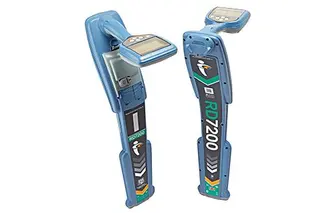
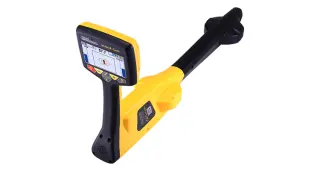
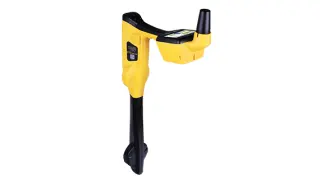
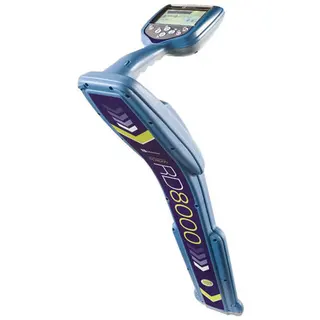
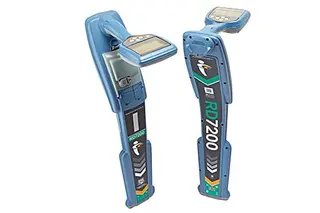
This category includes Radiodetection RD equipment, Vivax-Metrotech vLoc receivers and specialist locating systems. A sonde locator, utility receiver and pipeline survey instrument serve different tasks; choose by application as well as model name.

Logging, GPS and mapping are different

Usage logging records how an instrument is used. Position data associates records with a location. Survey mapping adds a separate requirement for the positioning method, accuracy and workflow needed by your project.

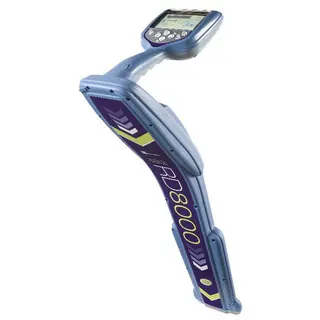
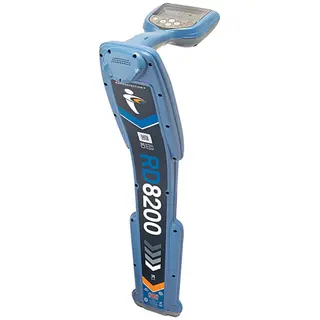
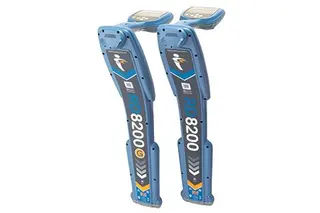
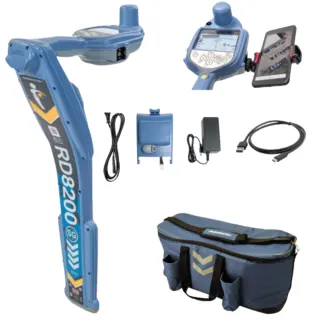
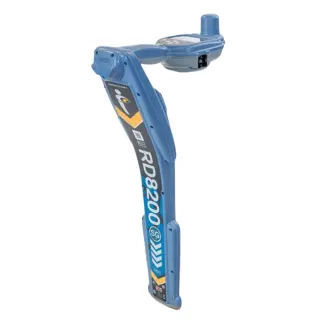
Compare the exact model and its data connections rather than treating GPS, Bluetooth or logging as the same feature. RD8200, RD8200G and RD8200SG are distinct models; GPS and survey-grade positioning are not features of every RD receiver.

Compare equivalent offers

New, used, refurbished, ex-demo and ex-display describe different offers. Compare the exact model, condition, included equipment, warranty and calibration documentation alongside the purchase price.

A lower-priced receiver is not directly equivalent to a kit with a transmitter and accessories. Existing kit can also affect your choice: compatible power packs, clamps, leads and cases may reduce what you need to buy separately.

Build the setup around your work
Your requirementWhat to compareWhere to look next
Replace or add a receiverReceiver model, active frequencies and compatibility with your existing transmitterCompare the receivers above
Equip a locating teamReceiver, transmitter, connection leads, power supply and carrying equipmentCompare locator kits above
Locate a non-metallic pipeSonde or traceable rod, receiver frequency and access through the pipeSondes and sonde locators
Extend an RD setupAccessory function, model generation, connector and supported modesRD precision locator accessories

Frequently asked questions

Practical answers to help you choose your equipment.

What is a precision cable and pipe locator?

A precision locator detects signals from buried services and helps an operator follow their route. A compatible transmitter can apply an active signal to a selected service. Available frequencies, locating modes, measurements and data features depend on the receiver and transmitter.

Does every locator include a transmitter?

No. This range contains standalone receivers and equipment kits. The base contents and selected options determine what is supplied; a receiver-only price does not include every accessory shown in a range image.

Can one transmitter work with different receivers?

Compatible receivers and transmitters can share active locating frequencies, but the available functions depend on both devices. Match the frequency, signal application method and any specialist mode you intend to use. A shared brand name alone does not establish compatibility.

Can these locators find plastic pipes?

A plastic pipe does not itself carry a locating signal. A compatible sonde can identify a point inside a pipe, while an energised traceable rod can support tracing along its route. The receiver must support the signal frequency and locating method.

Is depth measurement enough to plan excavation?

A depth reading is an estimate affected by the signal and site conditions. Use it with the manufacturer's locating procedure, service records, site assessment and appropriate safe excavation methods. A locator cannot prove that an area is clear of buried services.

Related equipment and services