
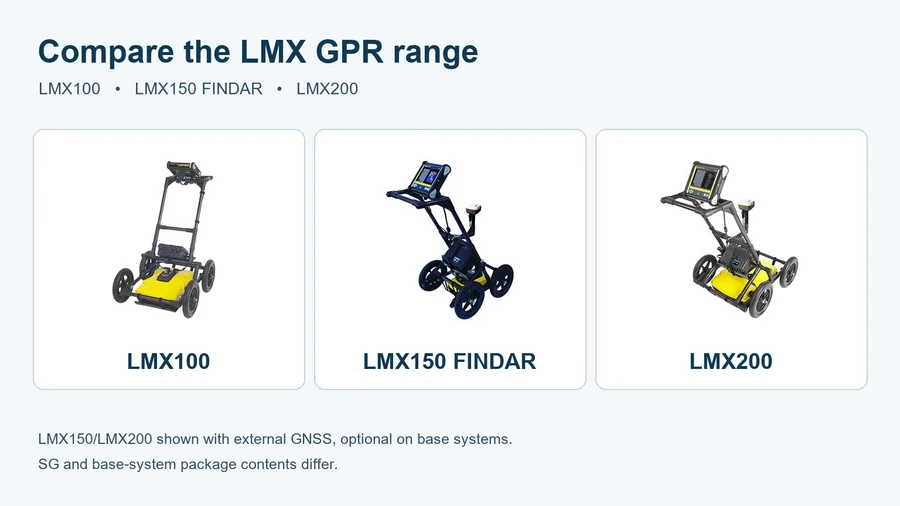
LMX100 vs LMX150 FINDAR vs LMX200: choosing a utility GPR system
Compare LMX locate-and-mark, recorded-project and positioning workflows, then choose the exact supplied system, paid software option and compatible accessories.
Latest news and updates from our Cable Locators and Survey
Compare LMX locate-and-mark, recorded-project and positioning workflows, then choose the exact supplied system, paid software option and compatible accessories.
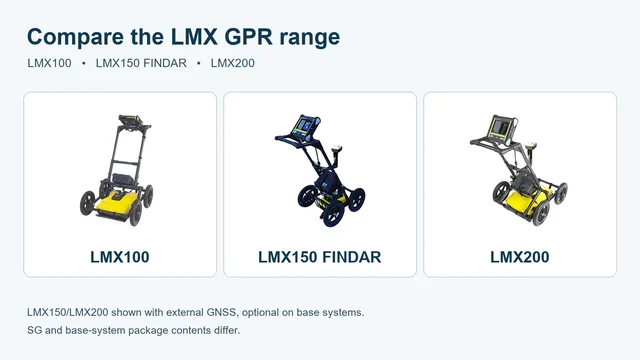
Compare LMX locate-and-mark, recorded-project and positioning workflows, then choose the exact supplied system, paid software option and compatible accessories.
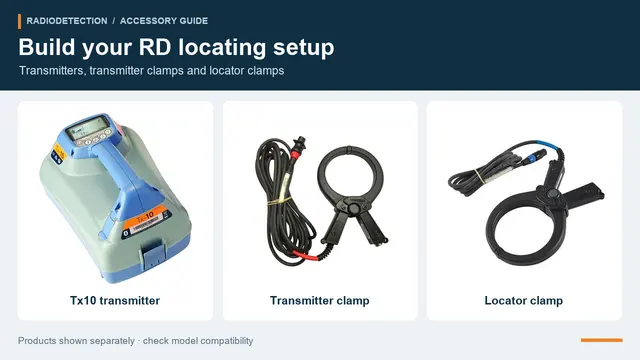
Build a locating kit around the task, the receiver and the signal method. A transmitter clamp applies a signal; a receiver clamp helps identify one. An A-Frame investigates faults, while a sonde provides a signal inside a pipe or duct. These accessories do different jobs and are not interchangeable.
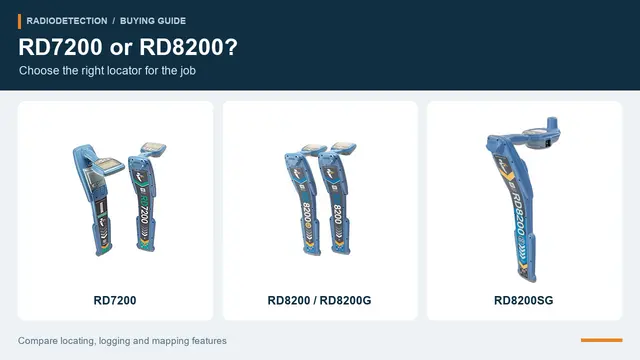
Choose an RD7200 for a focused precision locating system, an RD8200 for additional signal-identification tools and compatible remote transmitter control, an RD8200G when you also need GPS usage records, or an RD8200SG for an integrated survey-grade positioning workflow. Then choose the transmitter and accessories for the functions you will actually use.
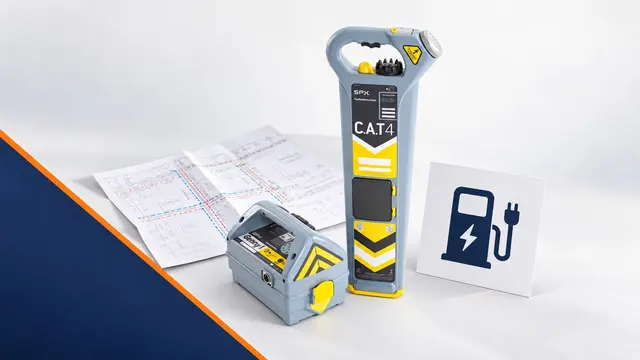
Electrical interference and coupled signals can make a locate harder to interpret near power infrastructure, including rail and EV charging sites. There is no single frequency or receiver feature that guarantees a reliable result in every such environment. Use the site's authorised procedures, appropriate equipment and a method that investigates inconsistent responses.
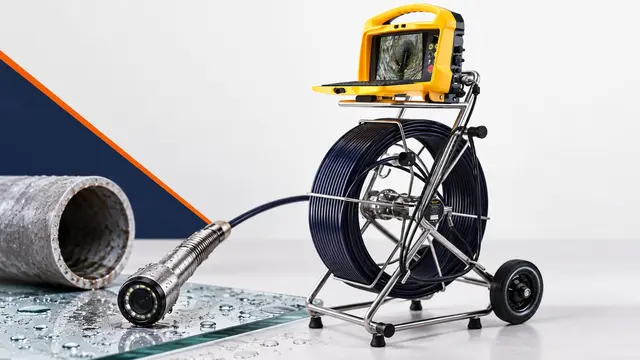
Dry nitrogen inside a camera head stops condensation fogging the lens and keeps water out. How purging works and why it protects a professional camera.
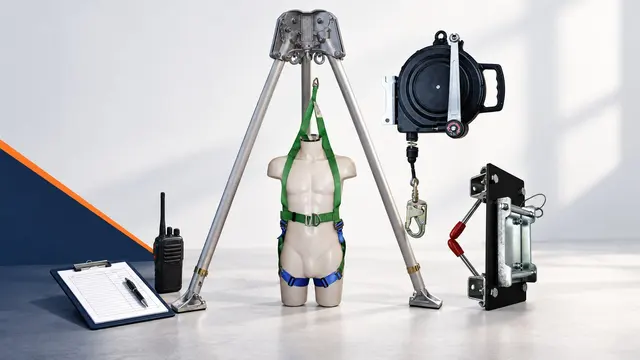
Most confined space deaths are rescuers who entered. The standby person breaks that chain: their role, the golden rule never to enter, and the kit behind it.
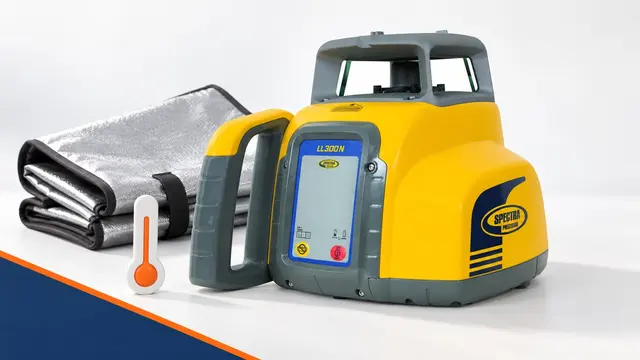
Direct sun and hot tarmac make a laser drift enough to matter over distance. Why thermal drift happens, and four simple steps to stop it building in an error.
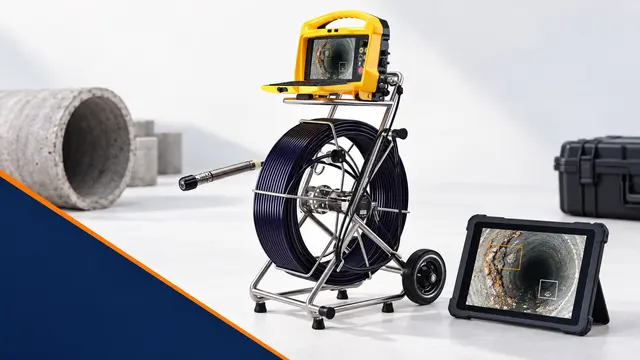
WRc coding makes a drain survey professional. How AI defect recognition speeds up coding, and why a trained operator still has to verify and sign off.
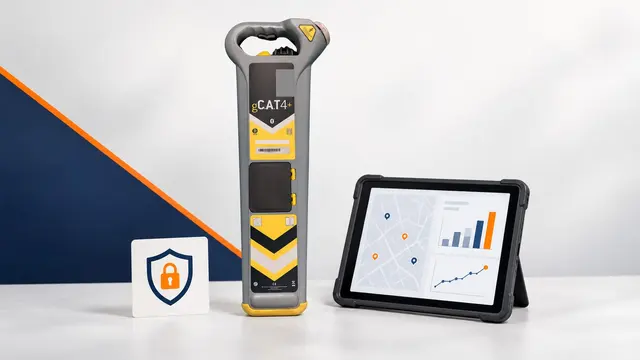
Logging locators record where, when and how every sweep was taken. What the gCAT4 captures, why data sovereignty matters, and what to check before you commit.
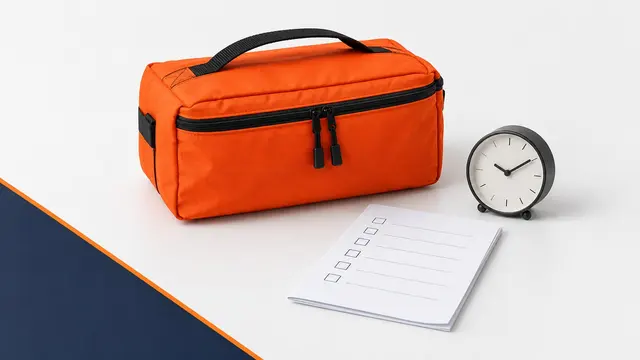
An ELSA gives a fixed supply of clean air to escape a confined space. How to choose between 10 and 15-minute sets from your assessed escape time, with margin.
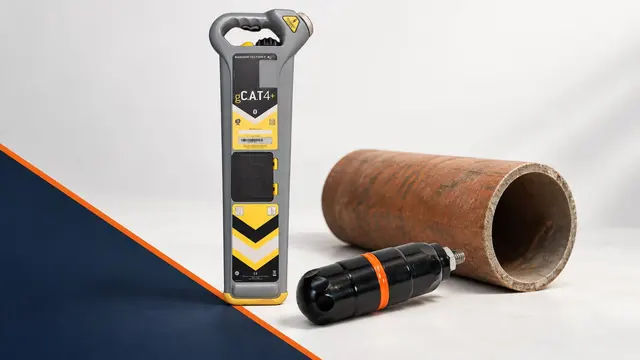
A drain camera shows conditions inside a pipe. A compatible sonde and receiver can help relate a camera-head position to the surface. Combining the two supports survey records and repair planning, but it does not establish every buried service or guarantee a single, exact excavation point.
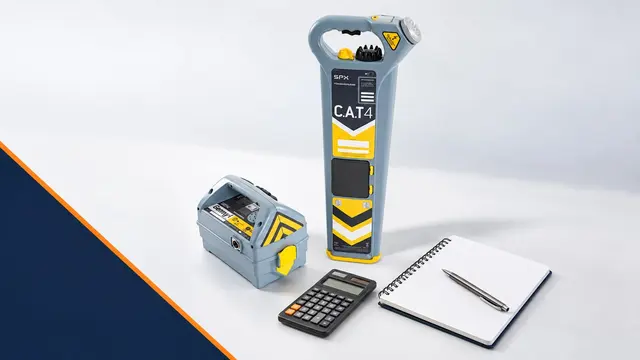
A single cable strike dwarfs the cost of a locator. We weigh hire, refurbished and new ownership, and the real running costs, against the price of a strike.