
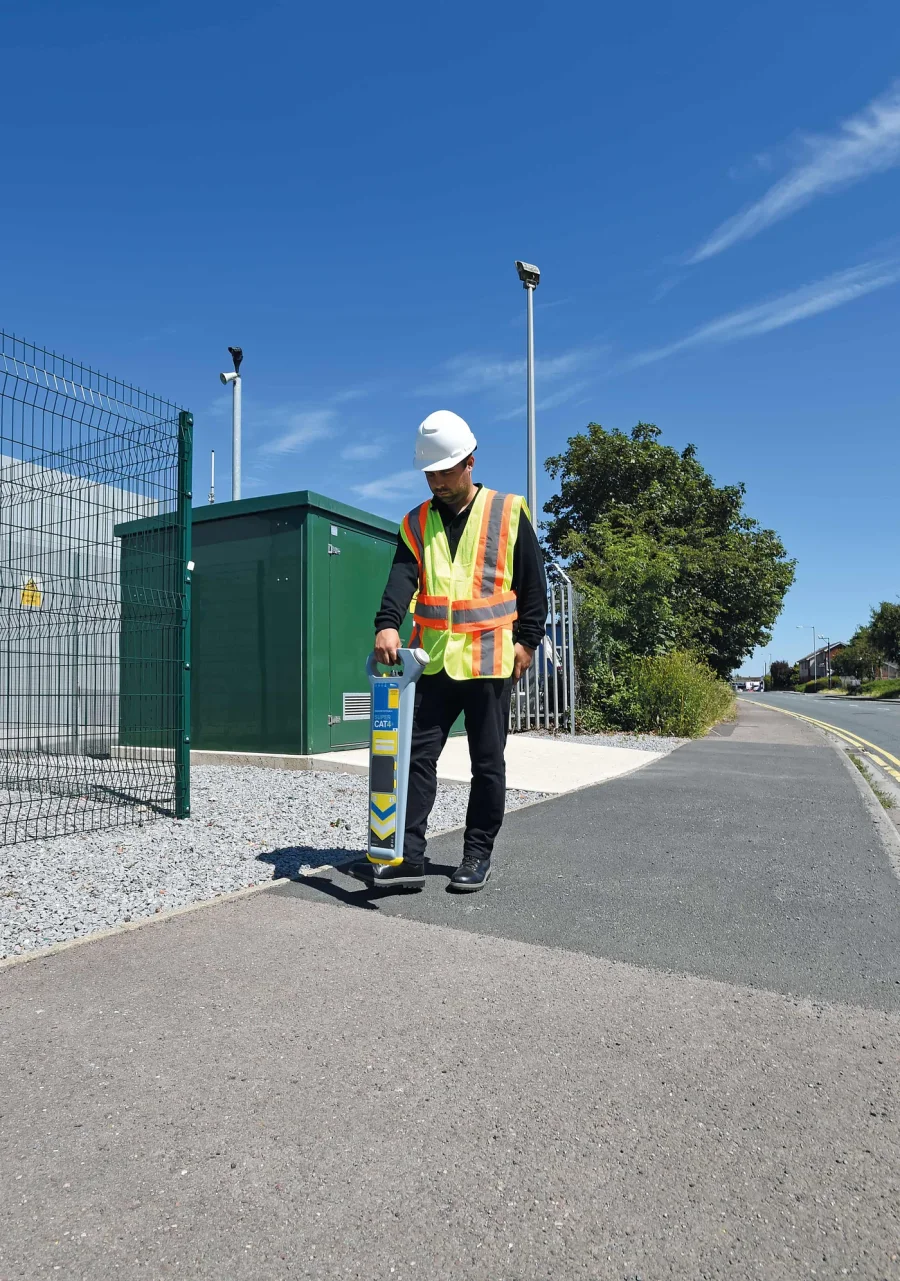
How to choose a Radiodetection SuperCAT4+ and T1 transmitter
Compare the UK SuperCAT4+, S and CPS and see which T1-640, T1-640/65 or T1-131 frequencies each receiver can use for active line tracing.
Latest news and updates from our Cable Locators and Survey
Compare the UK SuperCAT4+, S and CPS and see which T1-640, T1-640/65 or T1-131 frequencies each receiver can use for active line tracing.
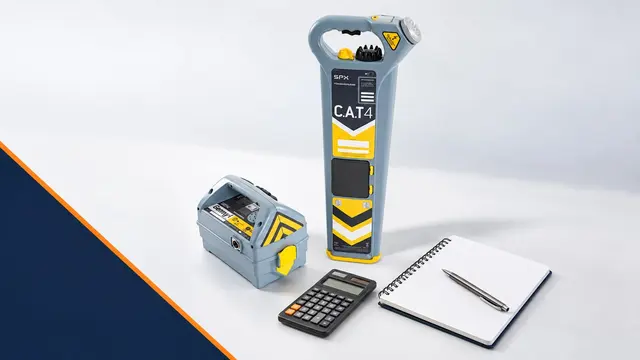
A single cable strike dwarfs the cost of a locator. We weigh hire, refurbished and new ownership, and the real running costs, against the price of a strike.
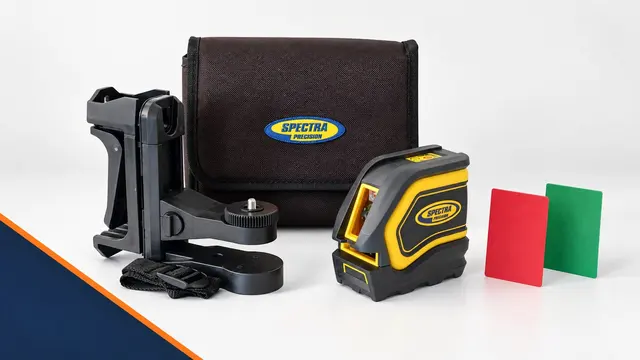
Green beams are up to four times more visible to the eye, so they win indoors; red is cheaper and fine outdoors with a receiver. How to choose your beam colour.
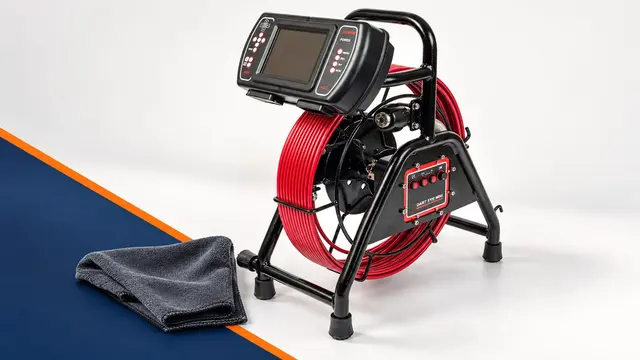
The push-rod takes all the abuse and fails first. Why rods kink and flood, how to make one last for years, and when a damaged rod can be repaired.
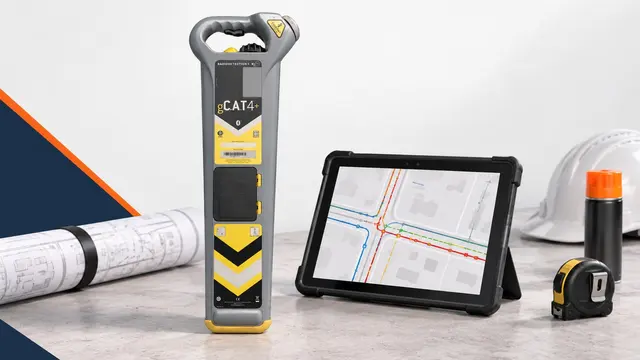
NUAR shows what is recorded underground; your CAT shows what is actually there. How the National Underground Asset Register fits alongside locating on site.
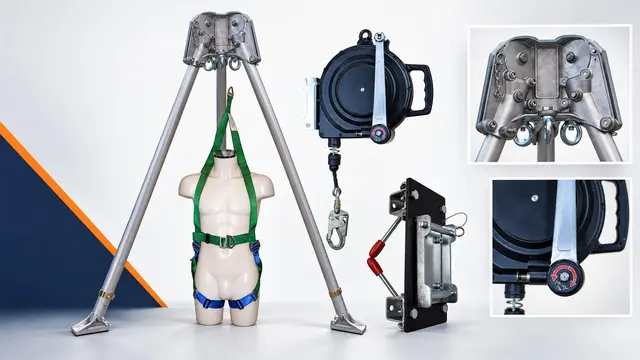
Fall arrest stops a fall, a man-riding winch carries a person, a recovery winch retrieves a casualty. Why mixing up these ratings can be fatal.
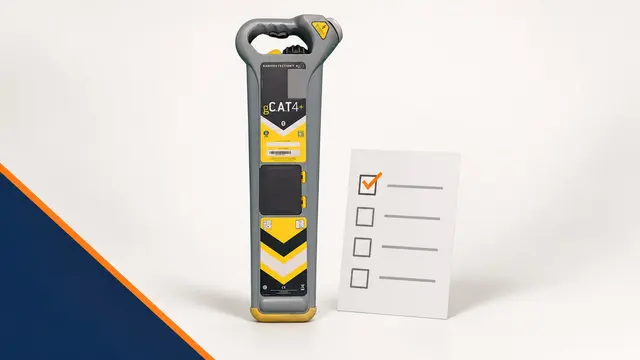
SWING tells you you are handling the CAT wrong. What it actually measures, why a swung locator hides cables, and how to keep the unit steady and accurate.
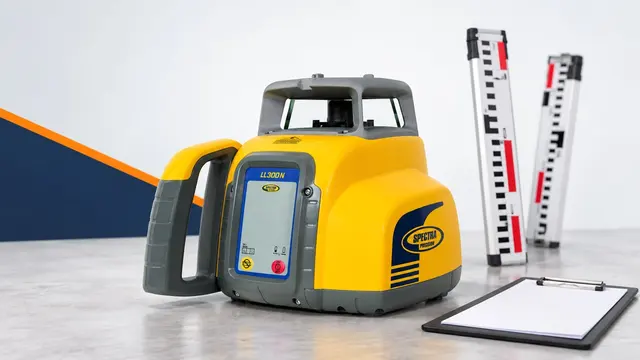
A miscalibrated level reads slightly wrong, and the error grows with distance. The two-peg test catches it in ten minutes. Here is how to run it, step by step.
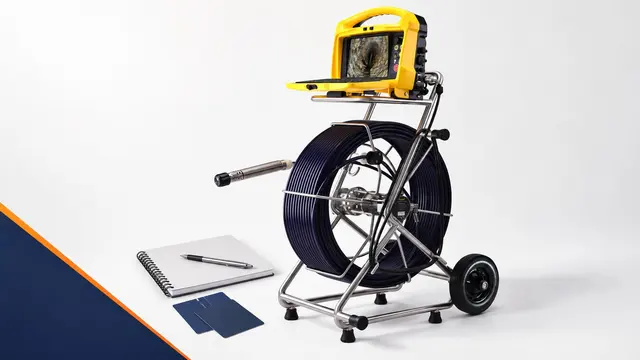
The two top UK drain inspection systems compared: the slick, Wi-Fi vCam-6 versus the rugged, modular Pearpoint P550c, and which suits your business.
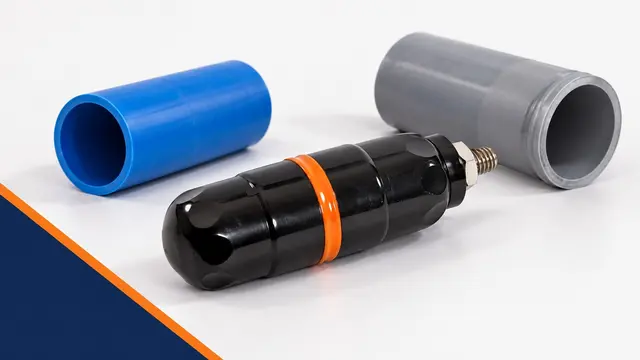
A sonde provides a signal from a point inside a suitable pipe or duct, allowing a compatible receiver to locate the transmitter from the surface. Choose the sonde and receiver together: frequency, sonde mode, physical fit and the application all matter. There is no universal rule that 33 kHz reaches deepest or 512 Hz is only for shallow drains.
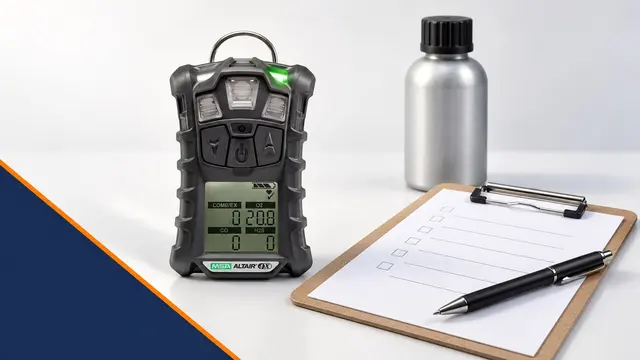
A bump test proves your detector will actually alarm, in under a minute, before each day's use. How it differs from calibration, and how to do it properly.
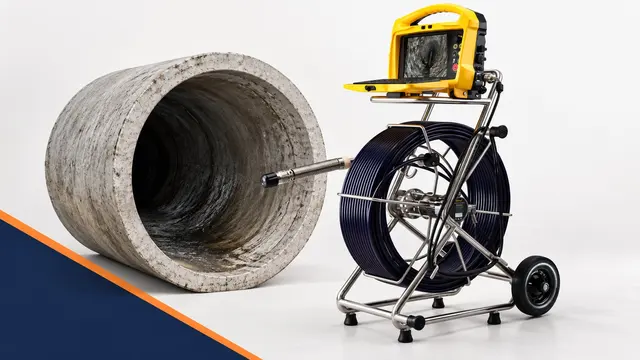
When a push camera runs out of reach, you move up to a crawler. When you need one for mainline sewers, what makes it work, and how to code the survey.
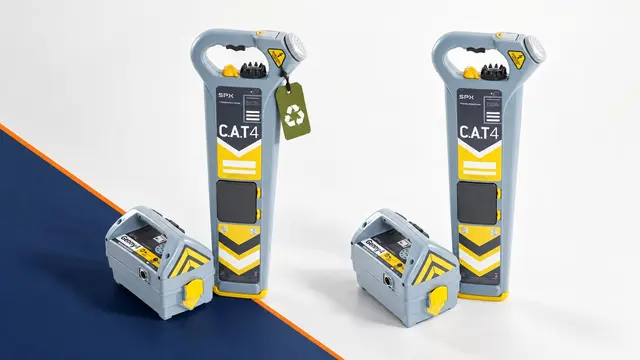
A properly reconditioned CAT4 performs identically to new at around half the price. When refurbished wins, when new is worth it, and what to check before buying.