
Cable Locator Cost-Benefit Analysis
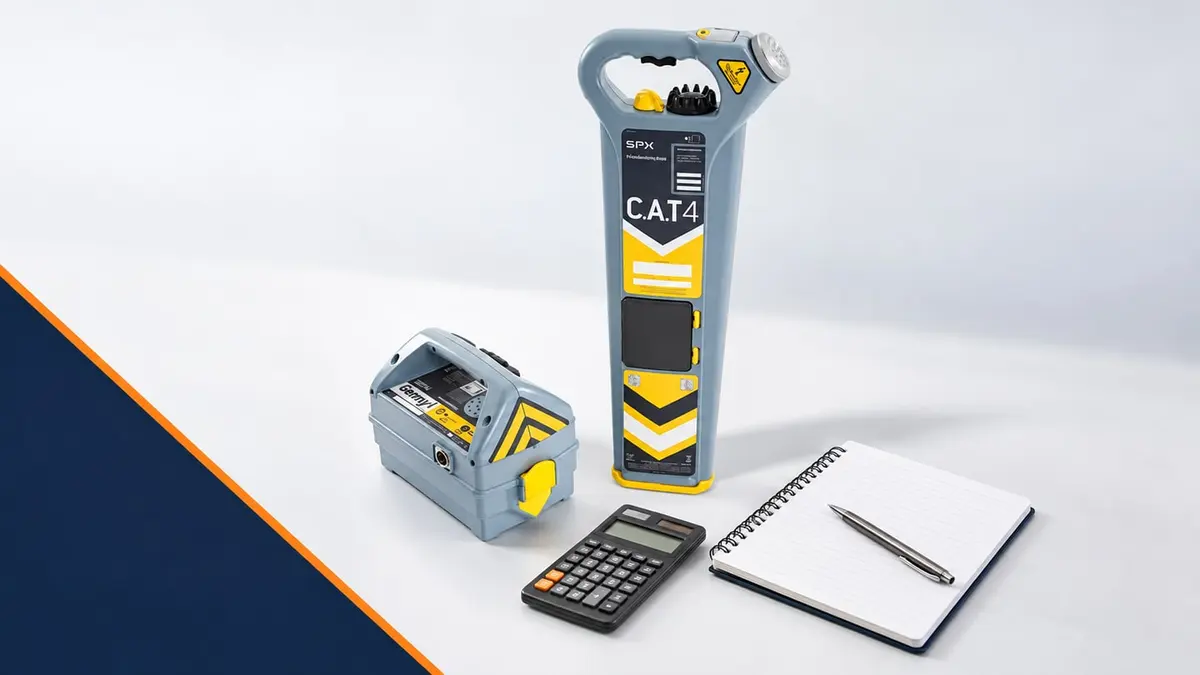
The cost of a cable locator is trivial next to the cost of a strike. A single cable strike in the UK averages thousands of pounds in direct repair, plus downtime, investigation and potential HSE action. Against that, a calibrated CAT and Genny, whether hired, refurbished or new, pays for itself the first time it stops a spade hitting a live main.
Cable avoidance is one of the rare site investments where the business case is overwhelming. Here is how the numbers actually stack up.
What does a strike really cost?
The repair bill is only the visible part. A strike typically brings:
- Direct repair of the damaged service, often charged back by the utility.
- Site downtime and standing labour while the area is made safe.
- Investigation, paperwork and possible HSE involvement.
- In the worst cases, serious injury, which puts everything else in perspective.
Even a "minor" strike routinely runs to several thousand pounds. A serious one is an order of magnitude worse.
Hire, refurbish or buy: which is most cost-effective?
| Option | Best when | Rough cost profile |
|---|---|---|
| Hire | One-off jobs, short projects, peak demand | Low per-day, no capital outlay |
| Refurbished | Regular use, best value ownership | Around half the price of new, calibrated |
| New | Large fleets, latest features | Highest outlay, longest service life |
Where do the ongoing costs sit?
The honest running cost of ownership is calibration: budget for an annual calibration and service per unit, plus the occasional battery and accessory. That is a small, predictable figure, and it is non-negotiable, because an uncalibrated unit is a liability, not an asset.
The simple payback
Set the lifetime cost of a calibrated locator against the cost of one avoided strike and the maths is not close. For a team that digs regularly, refurbished ownership gives the lowest cost per use; for occasional work, hire avoids tying up capital. Either way, the locator is the cheapest insurance on site. Compare ownership routes in refurbished vs new CAT4, or start with the 2026 ultimate guide to cable avoidance.