
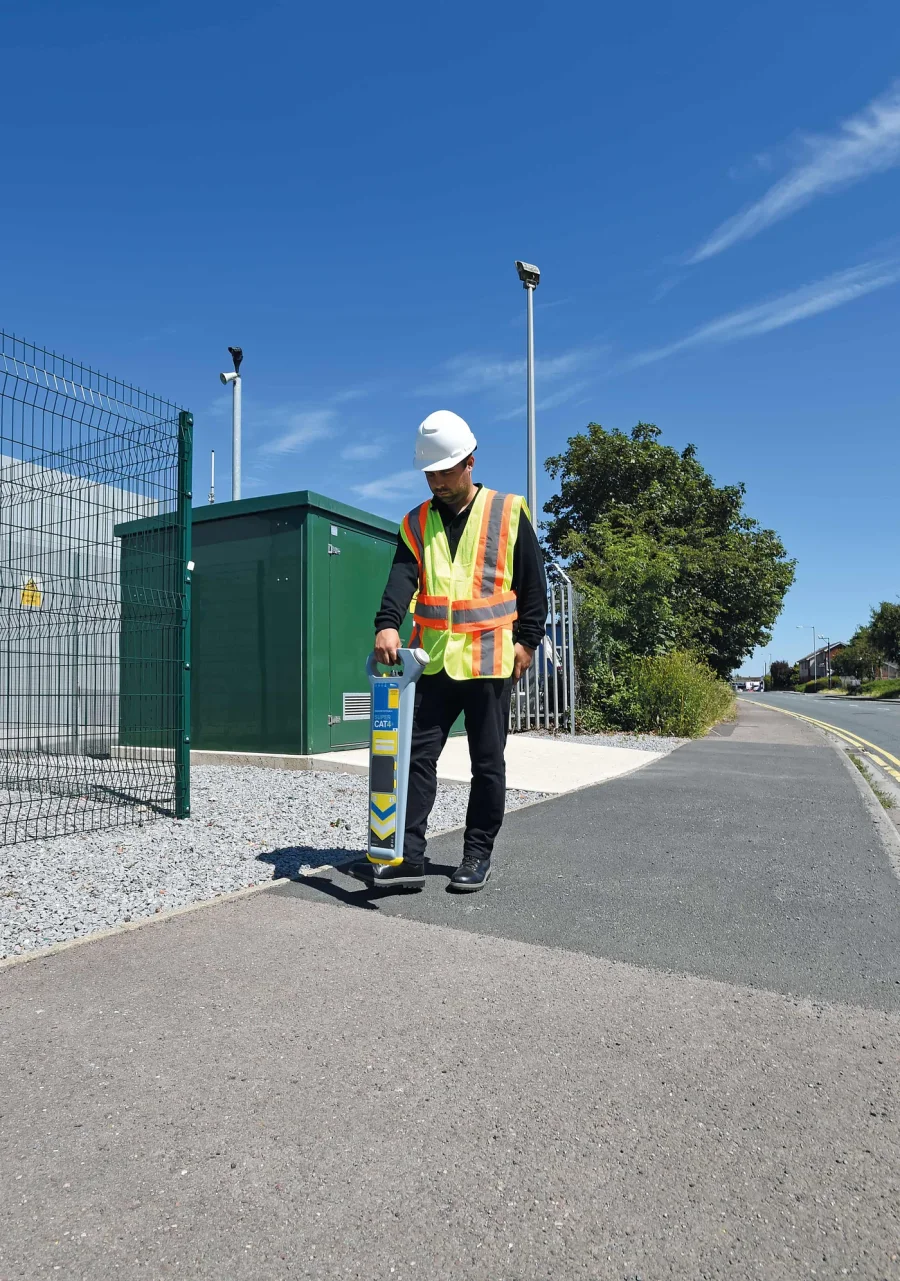
How to choose a Radiodetection SuperCAT4+ and T1 transmitter
Compare the UK SuperCAT4+, S and CPS and see which T1-640, T1-640/65 or T1-131 frequencies each receiver can use for active line tracing.
Latest news and updates from our Cable Locators and Survey
Compare the UK SuperCAT4+, S and CPS and see which T1-640, T1-640/65 or T1-131 frequencies each receiver can use for active line tracing.
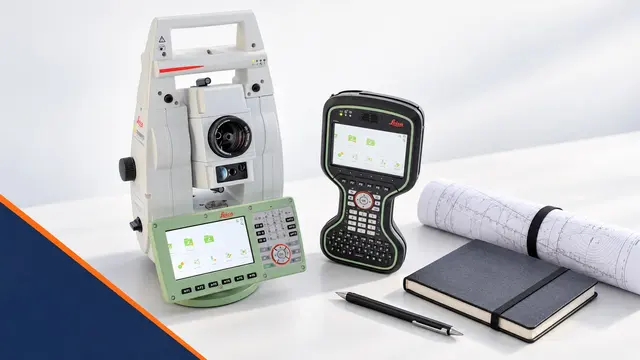
Manual needs two people; robotic lets one surveyor set out alone and pays back in saved labour. When robotic is worth it, and when manual still makes sense.
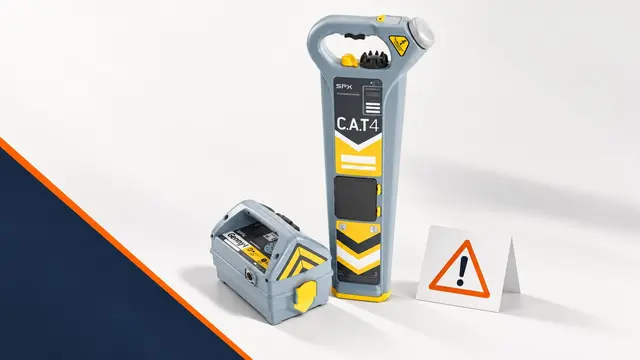
Cable strikes are rarely faulty kit; they are predictable habits. The five most common CAT and Genny mistakes, and how to avoid each one.
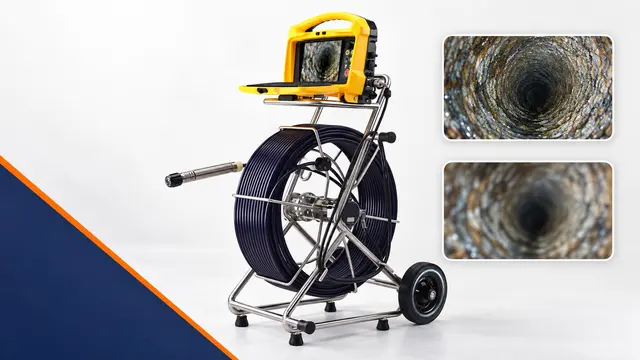
In a dark, wet pipe, 4K is mostly marketing. Why lighting, optics and screen quality beat pixel count, and when higher resolution is genuinely worth it.
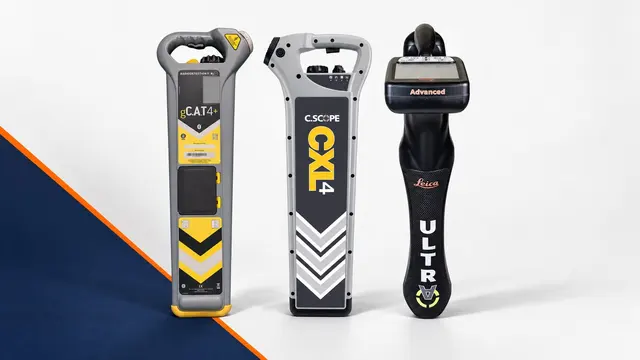
The three brands you will actually choose between. A 2026 teardown of the Radiodetection CAT4, C.Scope CXL4 and Leica ULTRA on build, features, data and price.
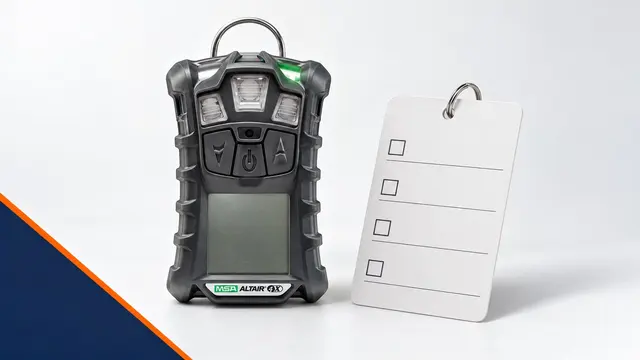
The four gases that cause most confined space deaths, and why you cannot sense them in time. What O2, LEL, CO and H2S do, and how to use a monitor properly.
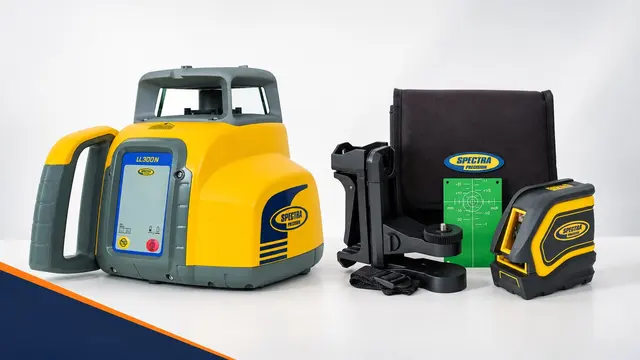
Rotary for outdoor levelling and grade, line for indoor alignment and fit-out. The simple job-based way to choose the right laser level, and why many own both.
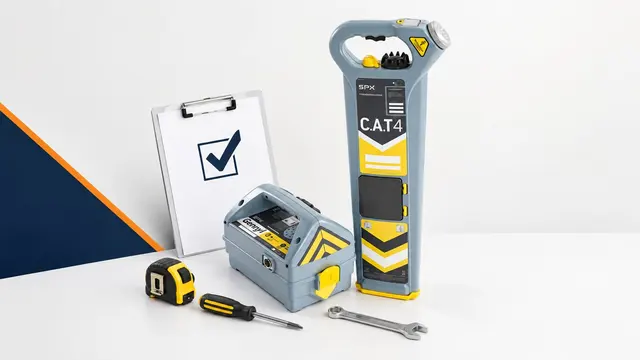
Calibration checks, routine function checks and physical maintenance answer different questions. Use all three to keep a locating system in working order. A certificate does not replace checking the receiver, transmitter, leads and power accessories before use, and it does not prove that a site is clear.
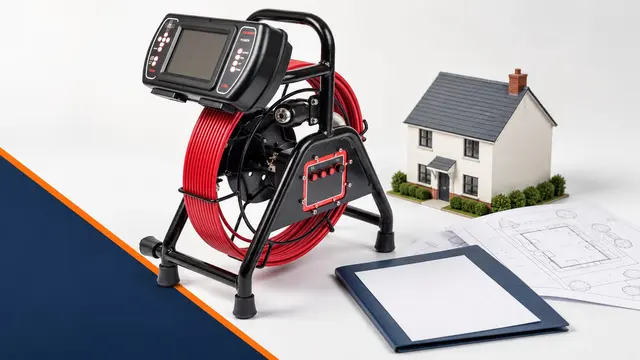
A pre-purchase drain survey is cheap insurance for buyers and high-margin work for plumbers. How to deliver one, the kit you need, and the report that sells.
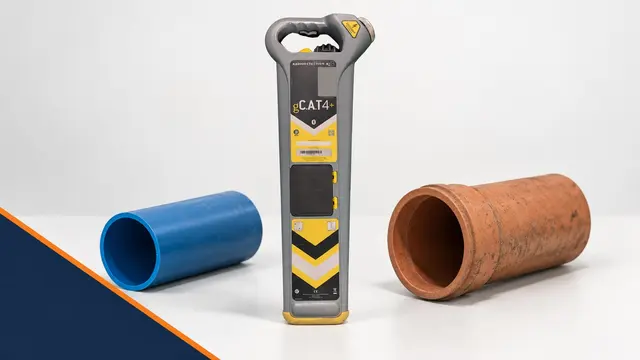
A clear sweep does not mean clear ground. Exactly what a CAT and Genny cannot detect, from plastic pipes to unloaded cables, and how to find each one.
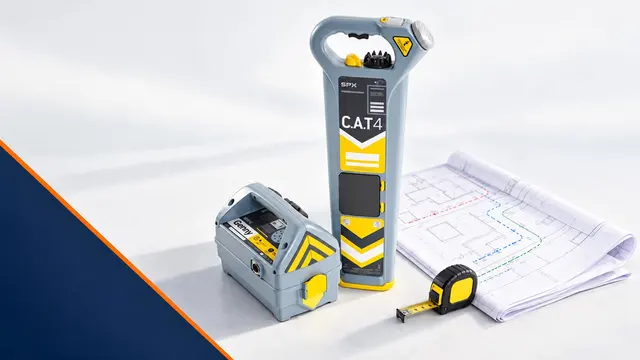
Accurate locating starts with a planned search, appropriate equipment and a response you can investigate consistently. Use the modes and methods supported by your instrument, check for signal distortion, and treat depth as an estimate. A quiet receiver does not show that the ground is clear.
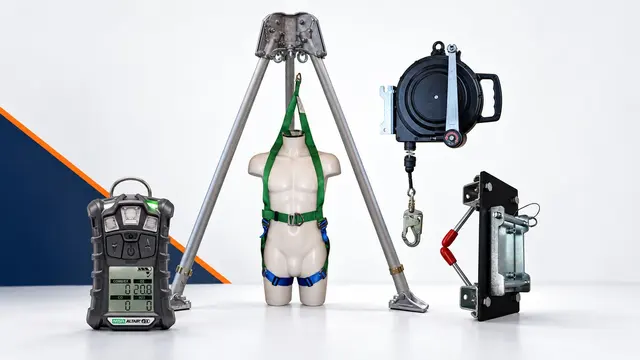
Confined spaces kill, often two at a time. The four things every entry needs: continuous gas monitoring, an escape set, non-entry rescue and a trained attendant.
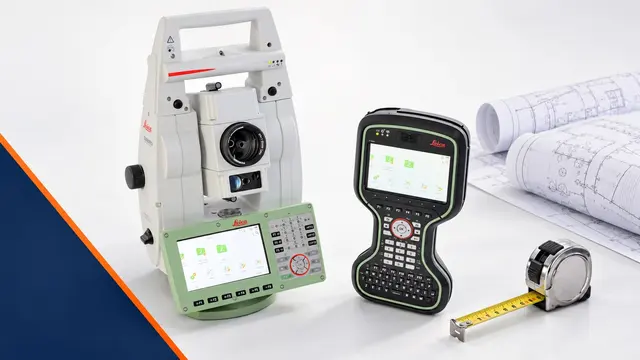
Accurate setting-out is matching the tool to the task: lasers for level, total stations for points, GNSS for area. How to choose, and how to check them.