
Homebuyer Drain Surveys: A Guide for Plumbers
A homebuyer drain survey is a CCTV inspection of a property's private drains, carried out before purchase to reveal hidden defects such as cracks, root intrusion, displaced joints and the risk of collapse. For plumbers it is a fast, profitable add-on; for buyers it is cheap insurance against a five-figure repair after completion.
Pre-purchase drain surveys are a growing slice of work for drainage contractors. Here is how to deliver one that protects the buyer and builds your reputation.
Why do buyers need a drain survey?
A standard homebuyer or building survey rarely looks below ground. Drains are out of sight and routinely ignored until they fail. A blocked or collapsed private drain can cost thousands to excavate and replace, and shared drains raise questions of responsibility. A CCTV survey before exchange turns an unknown into a documented fact, and often into a negotiating point on price.
What does the survey actually check?
- Structural condition: cracks, fractures, deformation and early signs of collapse.
- Root intrusion: a very common cause of blockages in older properties.
- Displaced or open joints that let in silt and roots.
- Drainage layout and connectivity: where the drains run and whether they are shared.
- Rat ingress points and signs of misconnections.
What kit do you need?
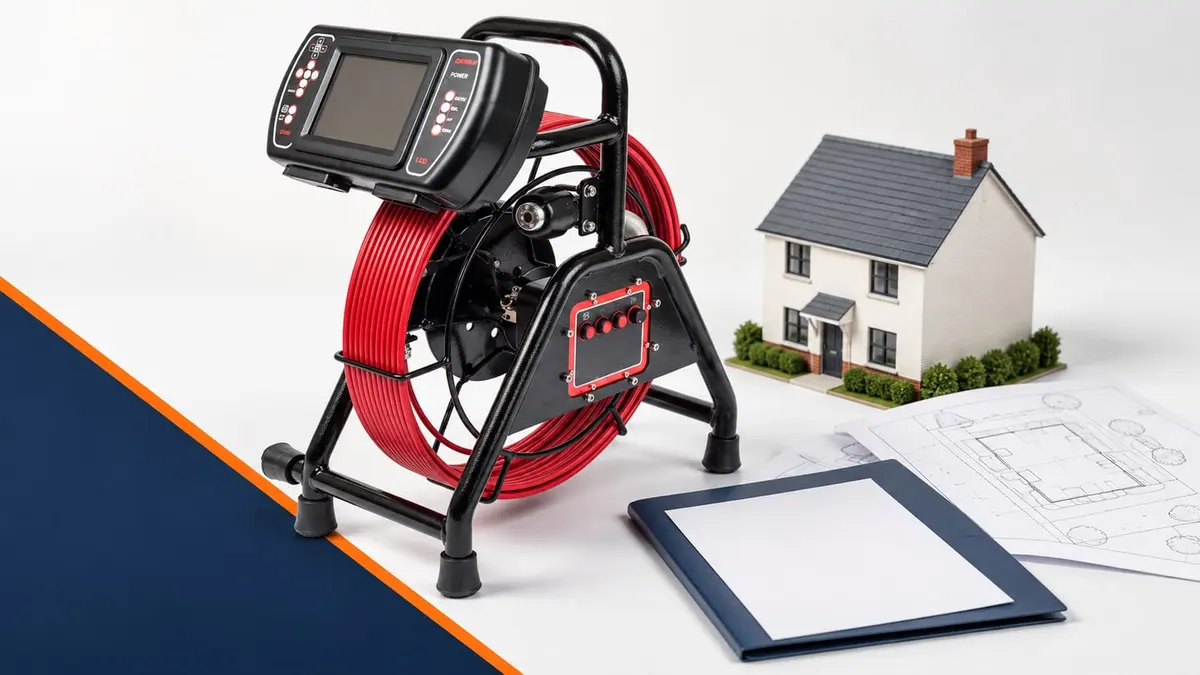
A self-levelling push camera with a daylight-readable screen, on-board recording and a sonde for locating defects covers the vast majority of domestic surveys. The sonde matters: when you find a fault, you can mark its exact position and depth on the surface for the buyer and any future repair. Browse suitable systems in our drain camera range, or pick one up via drain camera hire while you build the work up.
How to deliver a report the buyer can use
The value is in the report, not just the video. Provide:
- Recorded footage with date, time and meterage.
- Defects coded objectively (the WRc approach gives you a recognised standard).
- Located positions of significant faults.
- A plain-English summary and a clear recommendation.
A buyer, their solicitor and their lender can all act on that. For the coding side, see our WRc coding guide.
Turning it into a service line
Homebuyer surveys are quick, repeatable and high-margin once you have the kit and a report template. Promote them to local estate agents and conveyancers and they become a steady referral stream. Start with the full method in the professional drain CCTV handbook and compare systems in Vivax vs Pearpoint.