

Nitrogen Purging in Drain Cameras Explained
Dry nitrogen inside a camera head stops condensation fogging the lens and keeps water out. How purging works and why it protects a professional camera.
1 min read
<p>CCTV drain and sewer inspection know-how: push cameras, crawlers, push-rod care, WRc coding and homebuyer surveys. Helping plumbers and drainage contractors pick the right system and survey to standard.</p>
articles
Dry nitrogen inside a camera head stops condensation fogging the lens and keeps water out. How purging works and why it protects a professional camera.
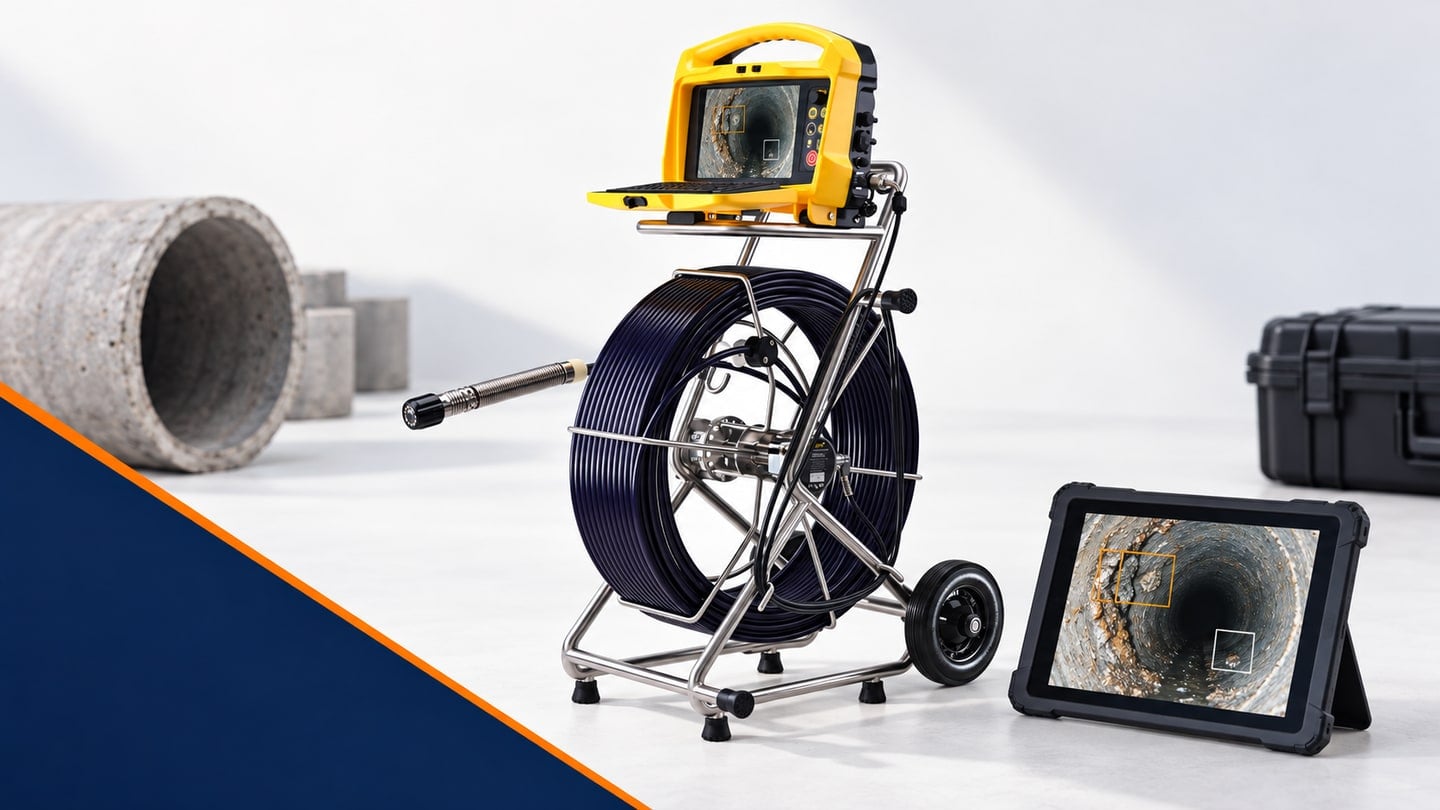
WRc coding makes a drain survey professional. How AI defect recognition speeds up coding, and why a trained operator still has to verify and sign off.
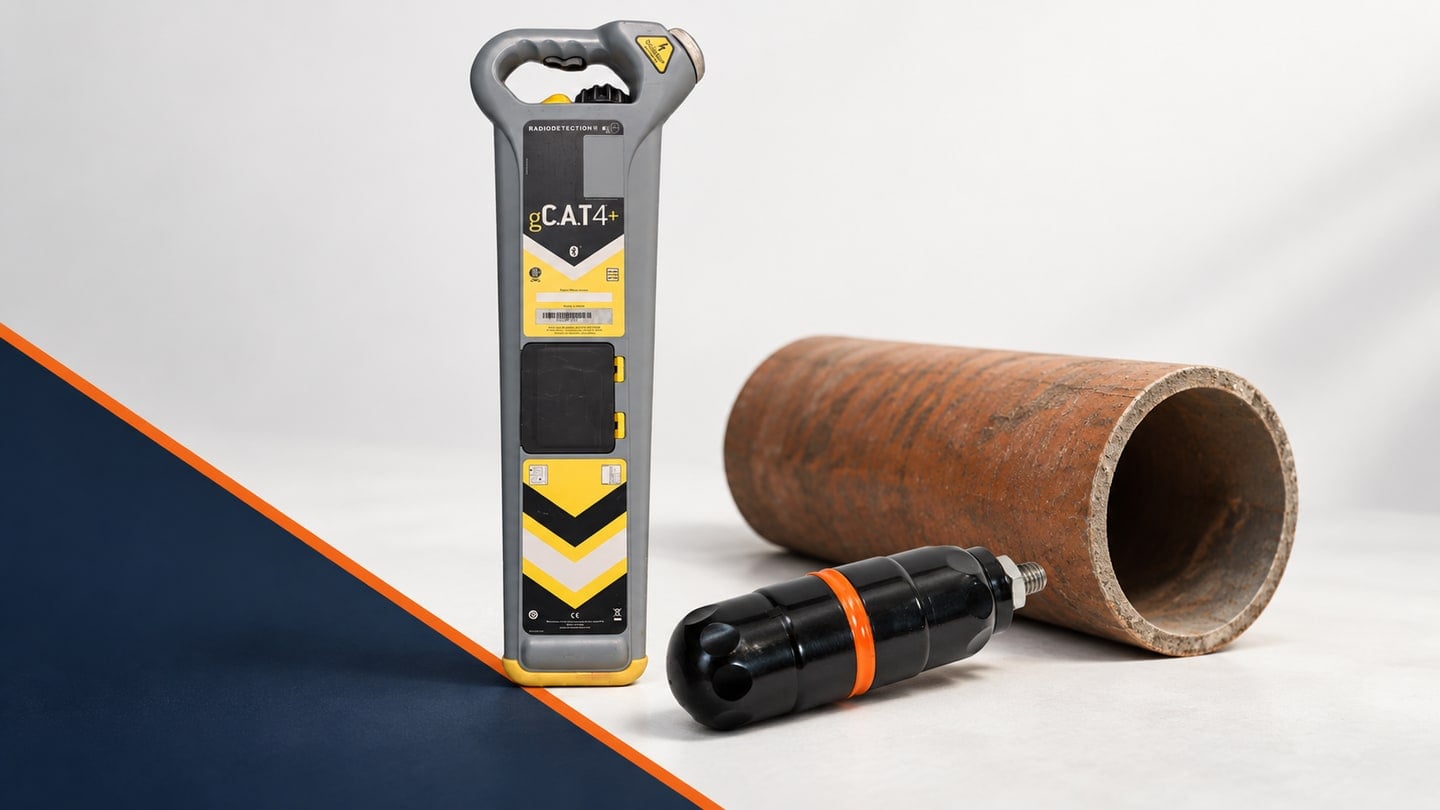
Finding the defect is half the job; pinpointing it is what saves the driveway. How to locate a fault's exact position and depth with the camera's sonde.

The push-rod takes all the abuse and fails first. Why rods kink and flood, how to make one last for years, and when a damaged rod can be repaired.
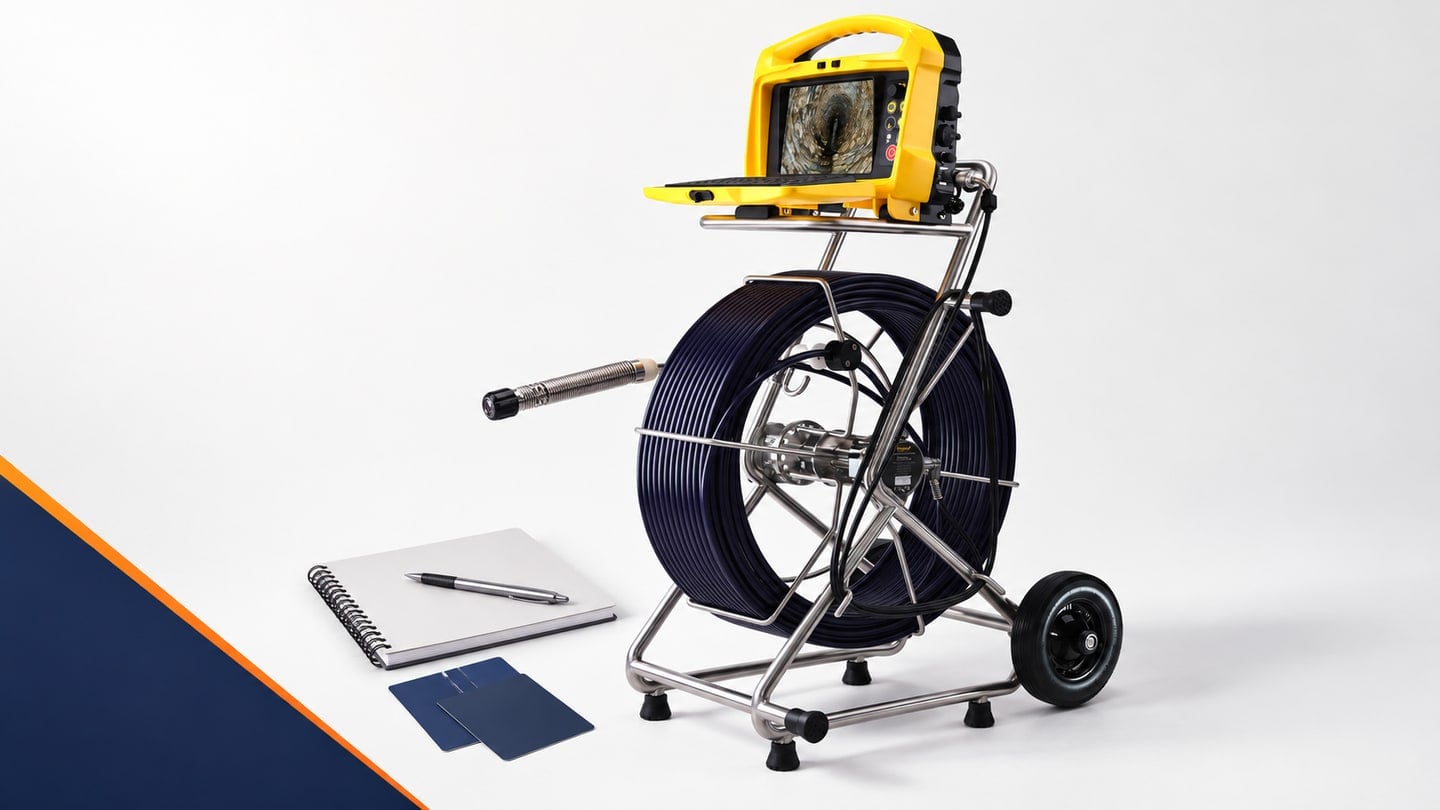
The two top UK drain inspection systems compared: the slick, Wi-Fi vCam-6 versus the rugged, modular Pearpoint P550c, and which suits your business.
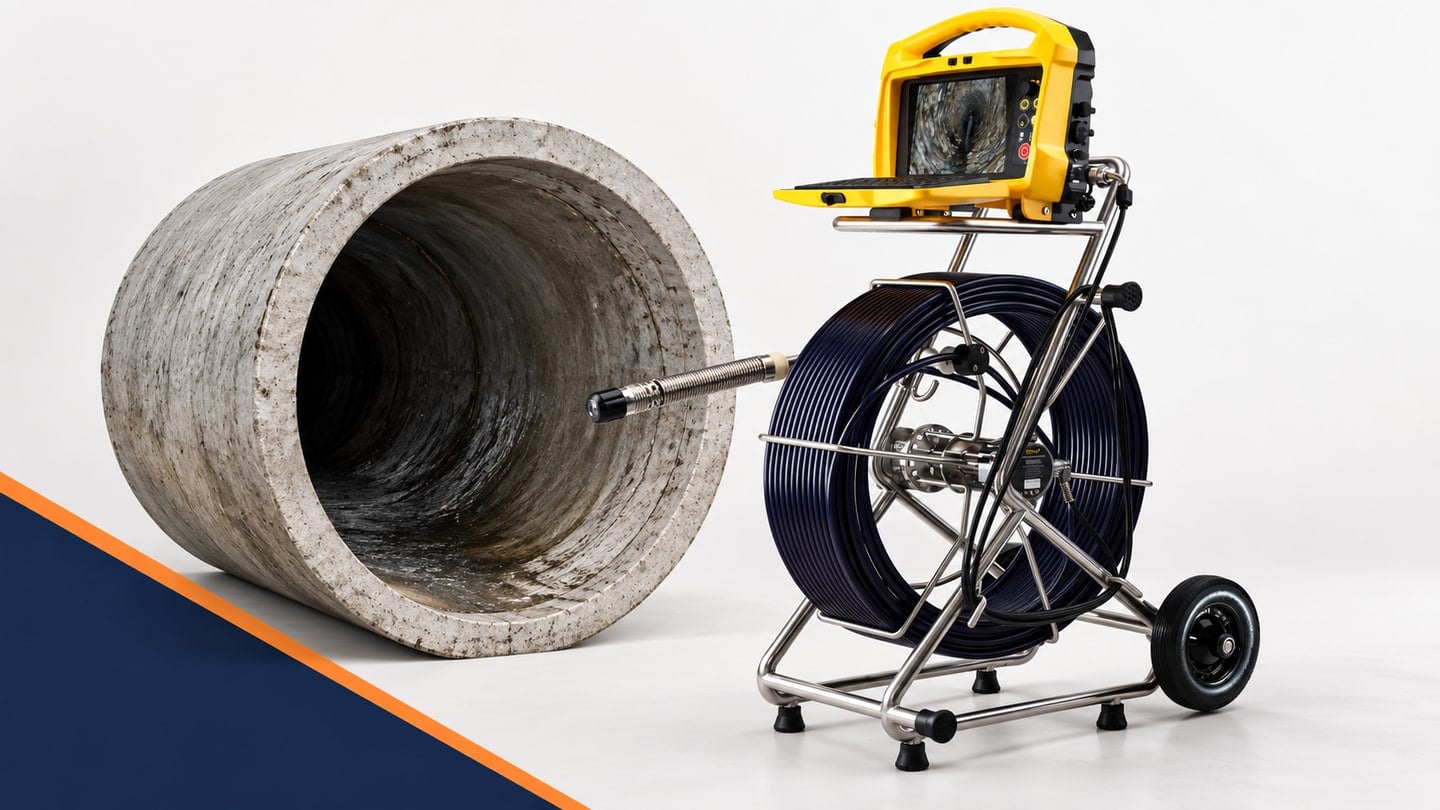
When a push camera runs out of reach, you move up to a crawler. When you need one for mainline sewers, what makes it work, and how to code the survey.
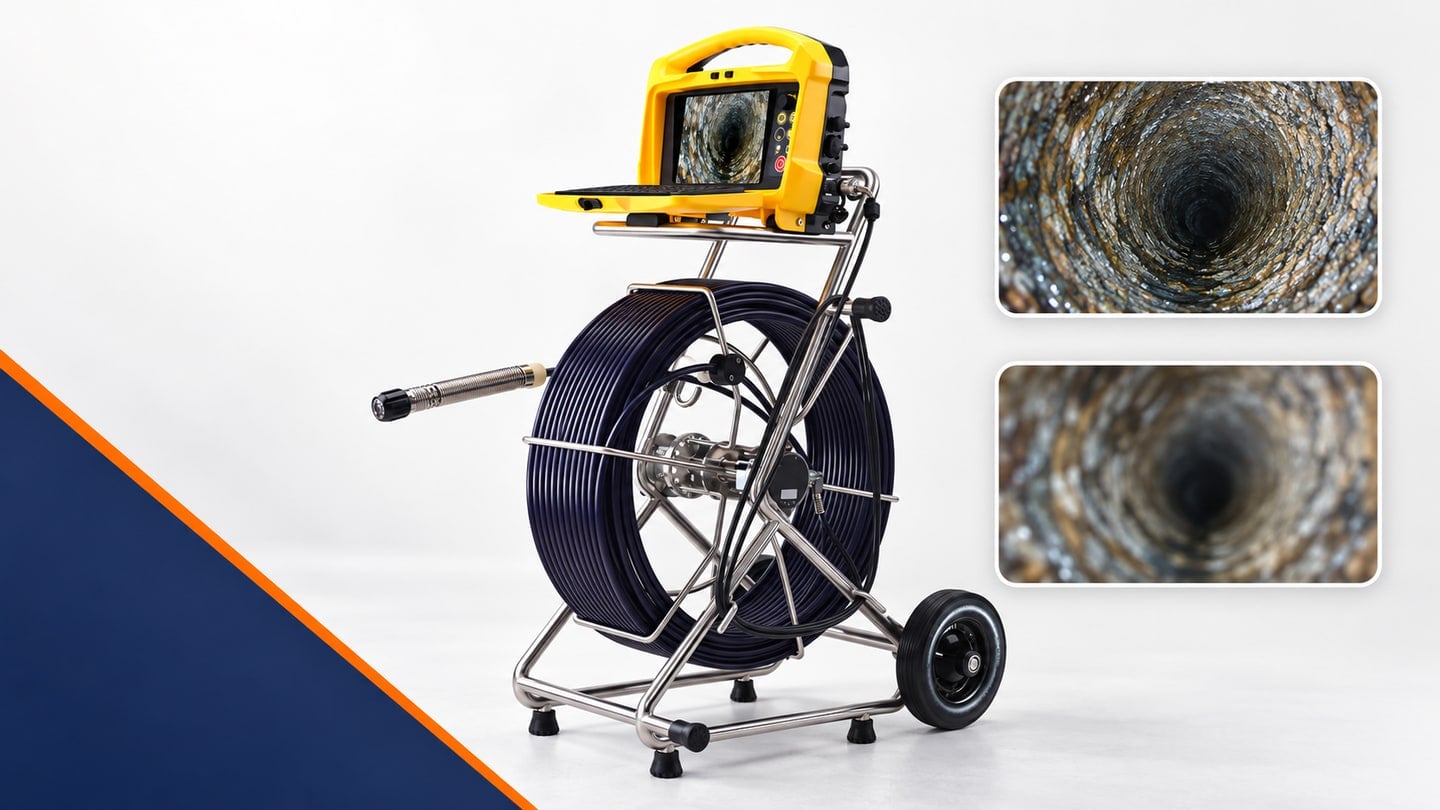
In a dark, wet pipe, 4K is mostly marketing. Why lighting, optics and screen quality beat pixel count, and when higher resolution is genuinely worth it.

A pre-purchase drain survey is cheap insurance for buyers and high-margin work for plumbers. How to deliver one, the kit you need, and the report that sells.
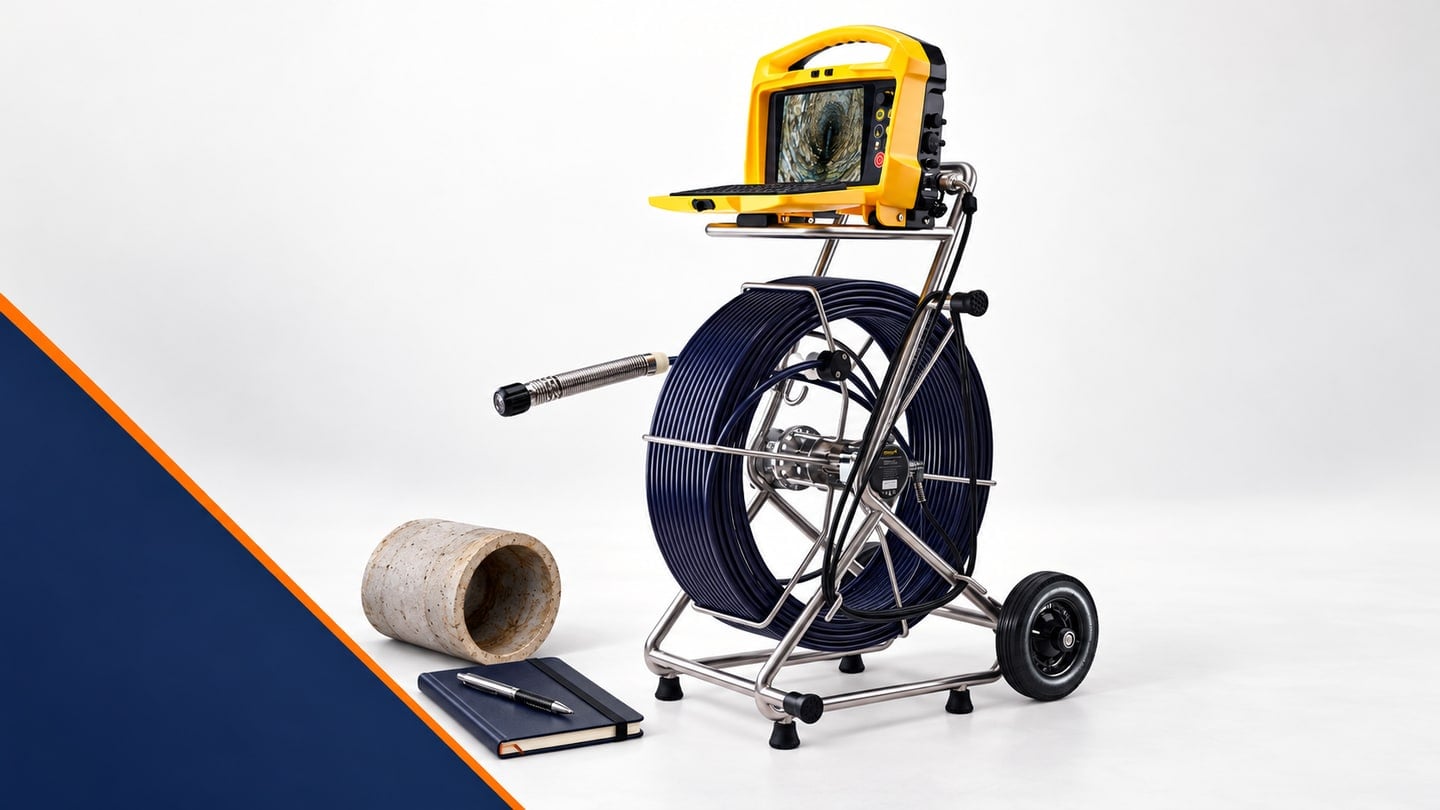
The field guide to professional drain surveys: push cameras and crawlers, WRc coding, locating defects with a sonde, and choosing a system that pays back.