
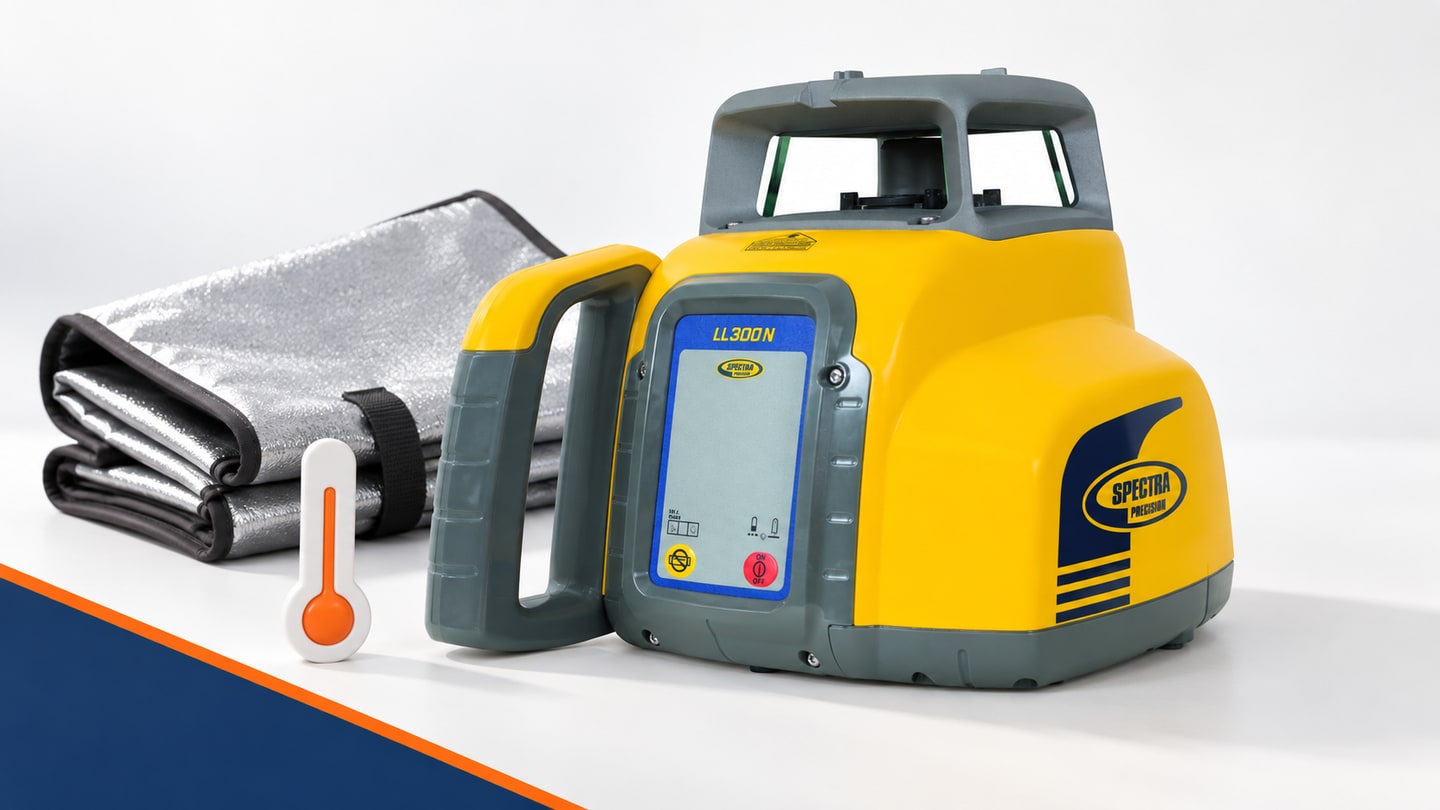
Laser Level Thermal Drift in Hot Weather
Direct sun and hot tarmac make a laser drift enough to matter over distance. Why thermal drift happens, and four simple steps to stop it building in an error.
1 min read
<p>Setting-out and levelling guides for laser levels, total stations and GNSS. Green versus red beams, rotary versus line lasers, the two-peg test and moving from manual to robotic surveying.</p>
articles
Direct sun and hot tarmac make a laser drift enough to matter over distance. Why thermal drift happens, and four simple steps to stop it building in an error.
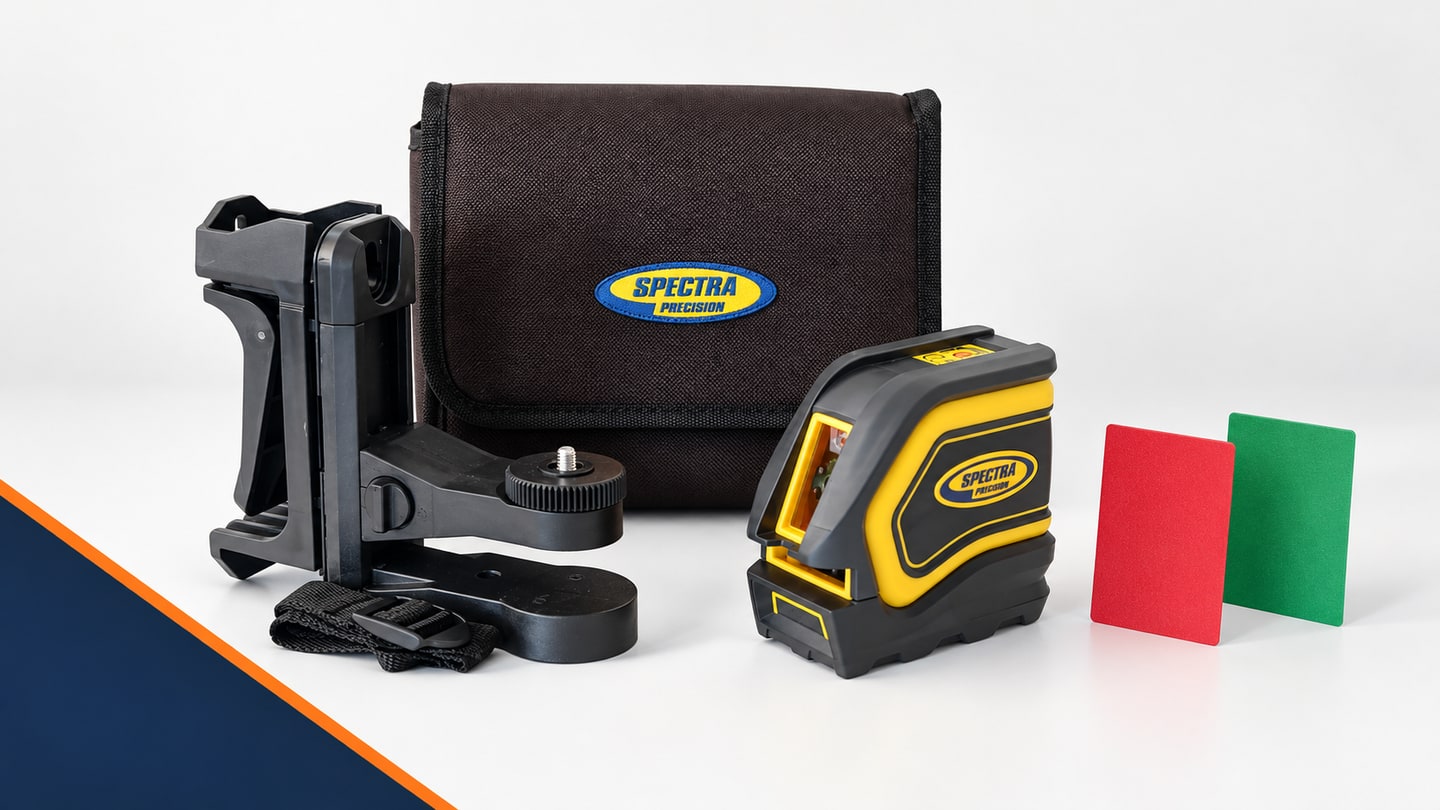
Green beams are up to four times more visible to the eye, so they win indoors; red is cheaper and fine outdoors with a receiver. How to choose your beam colour.
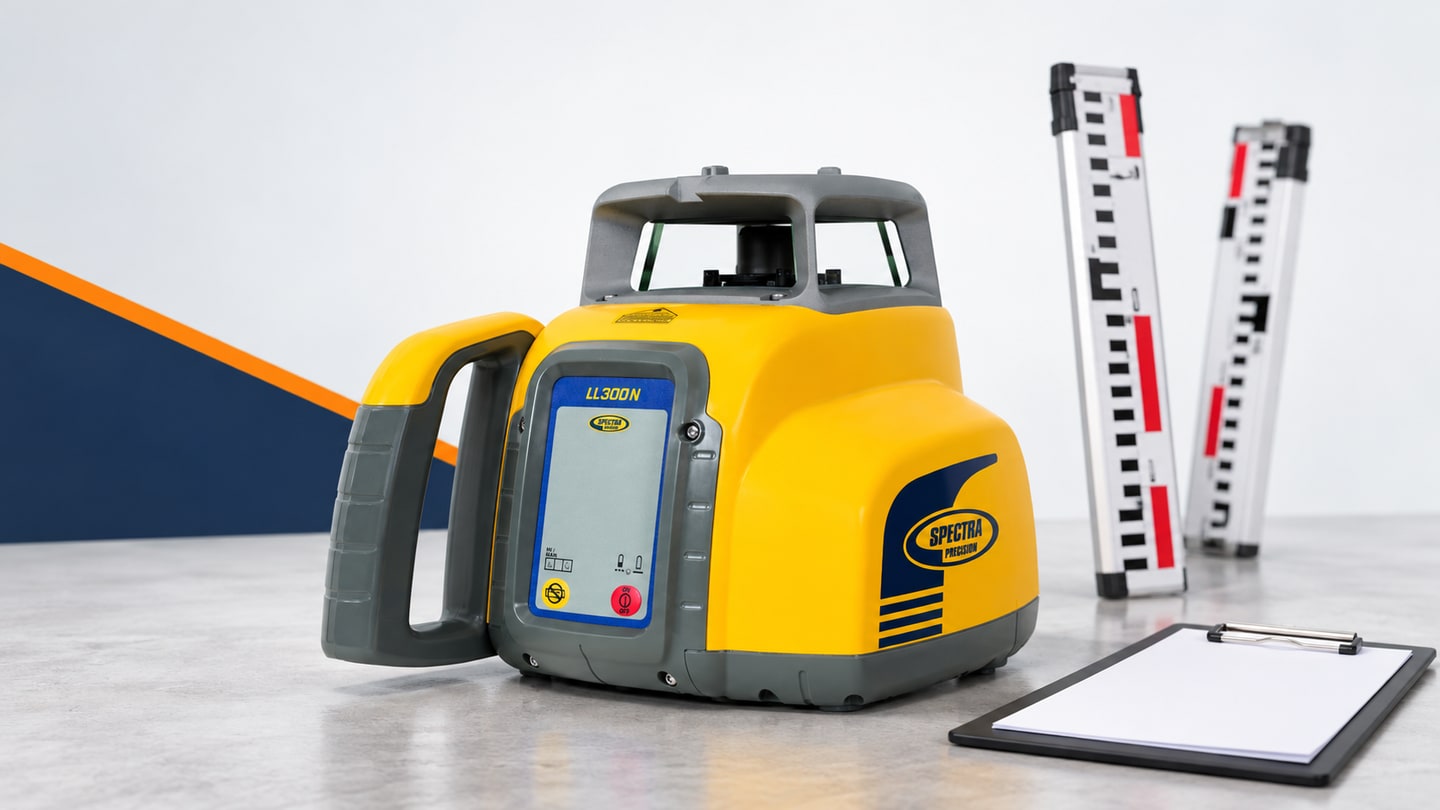
A miscalibrated level reads slightly wrong, and the error grows with distance. The two-peg test catches it in ten minutes. Here is how to run it, step by step.
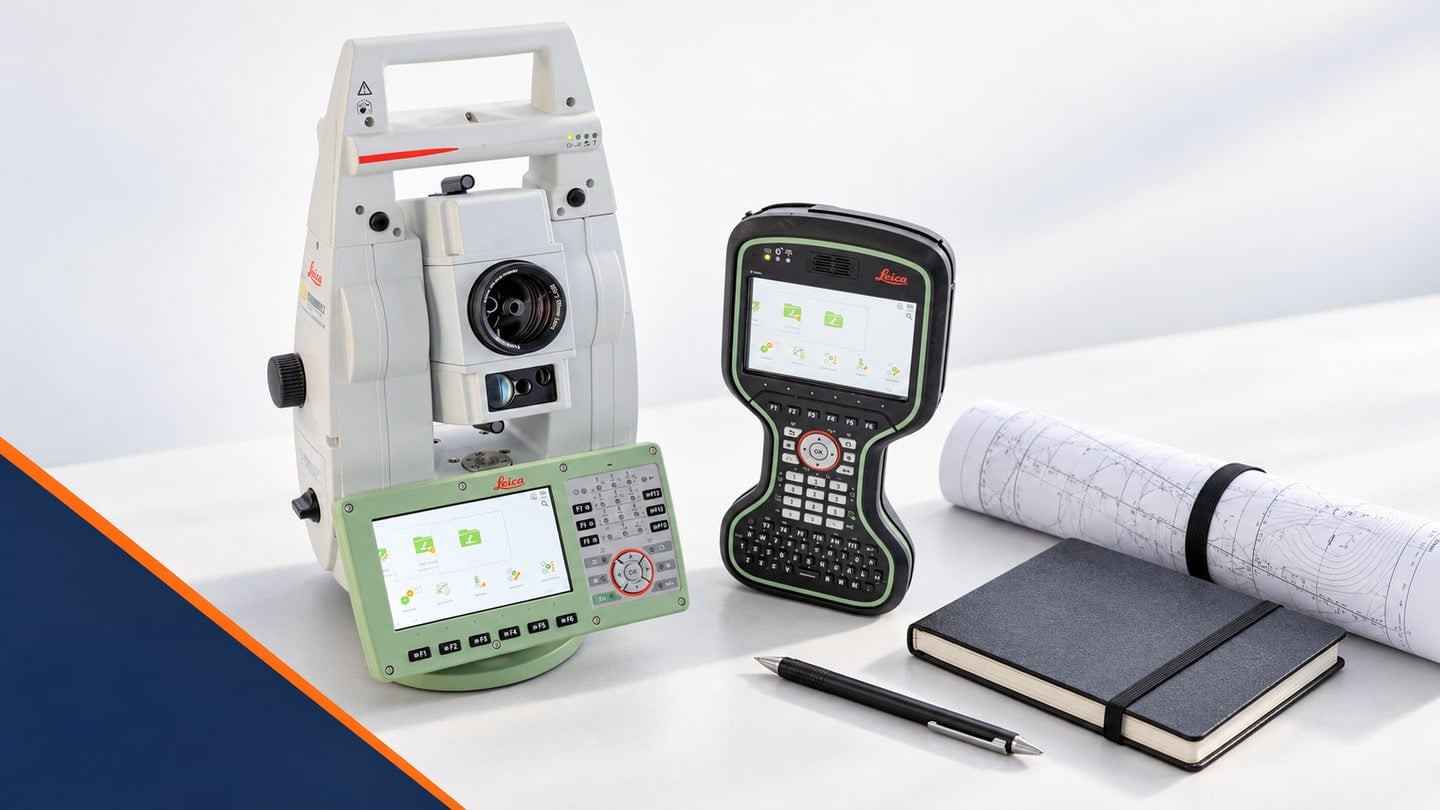
Manual needs two people; robotic lets one surveyor set out alone and pays back in saved labour. When robotic is worth it, and when manual still makes sense.
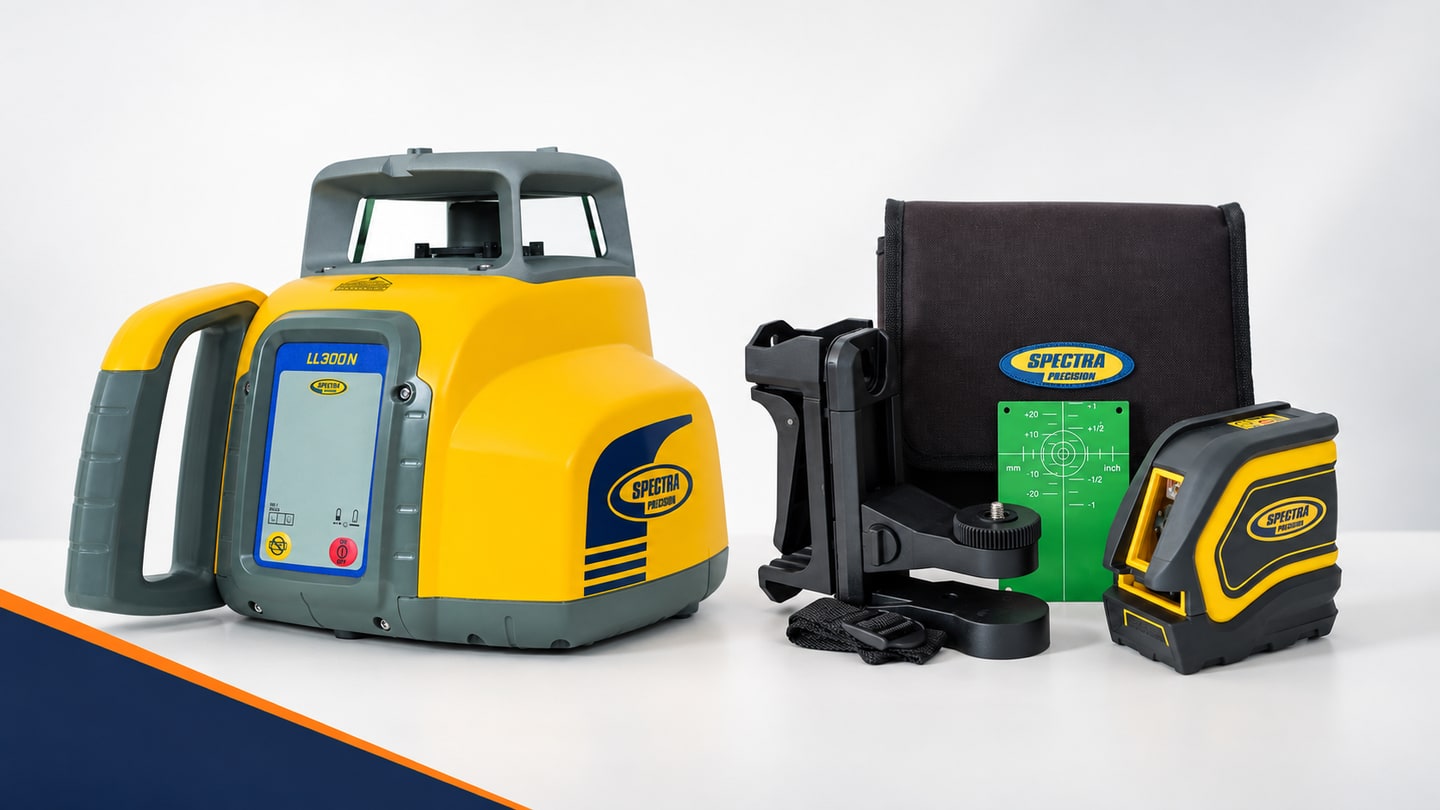
Rotary for outdoor levelling and grade, line for indoor alignment and fit-out. The simple job-based way to choose the right laser level, and why many own both.
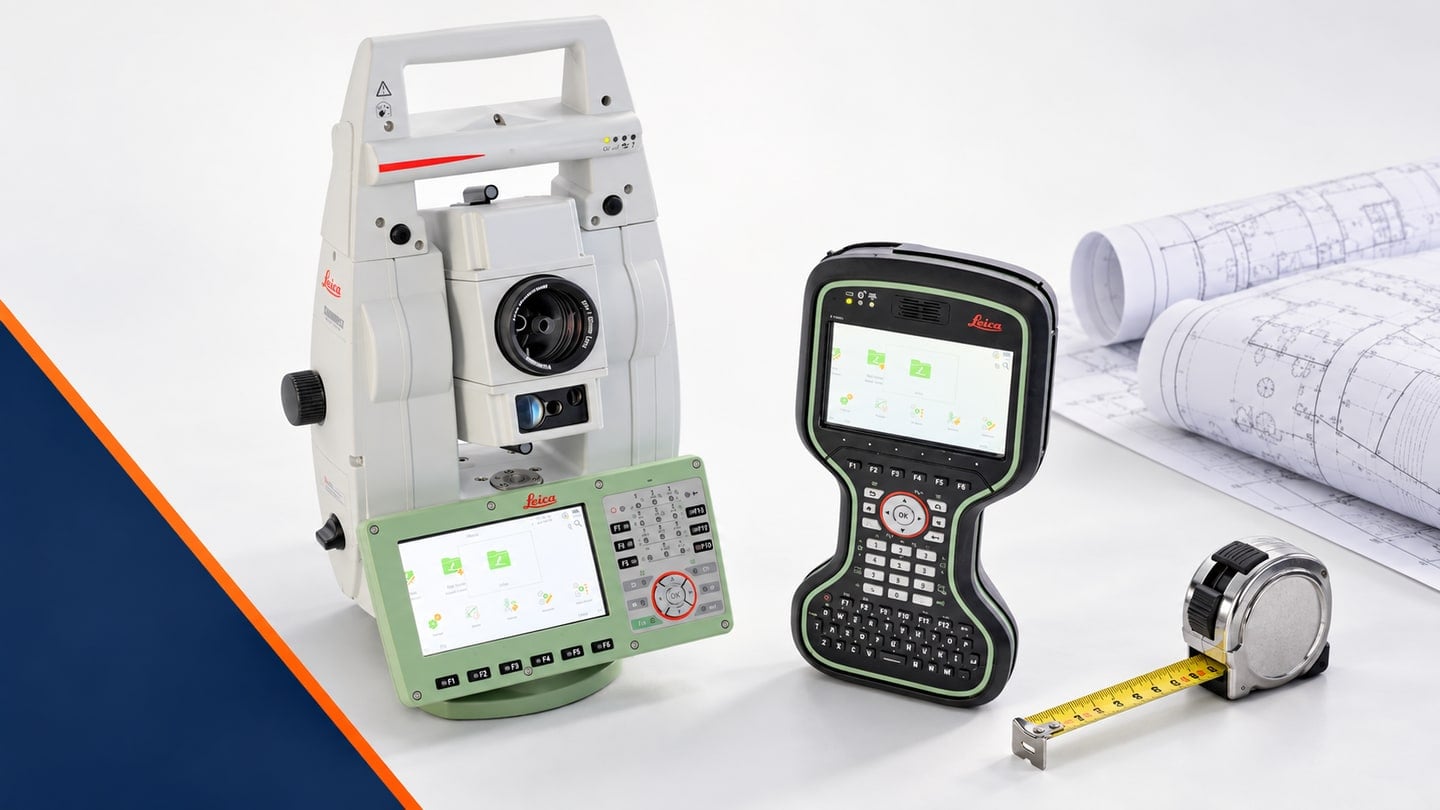
Accurate setting-out is matching the tool to the task: lasers for level, total stations for points, GNSS for area. How to choose, and how to check them.