
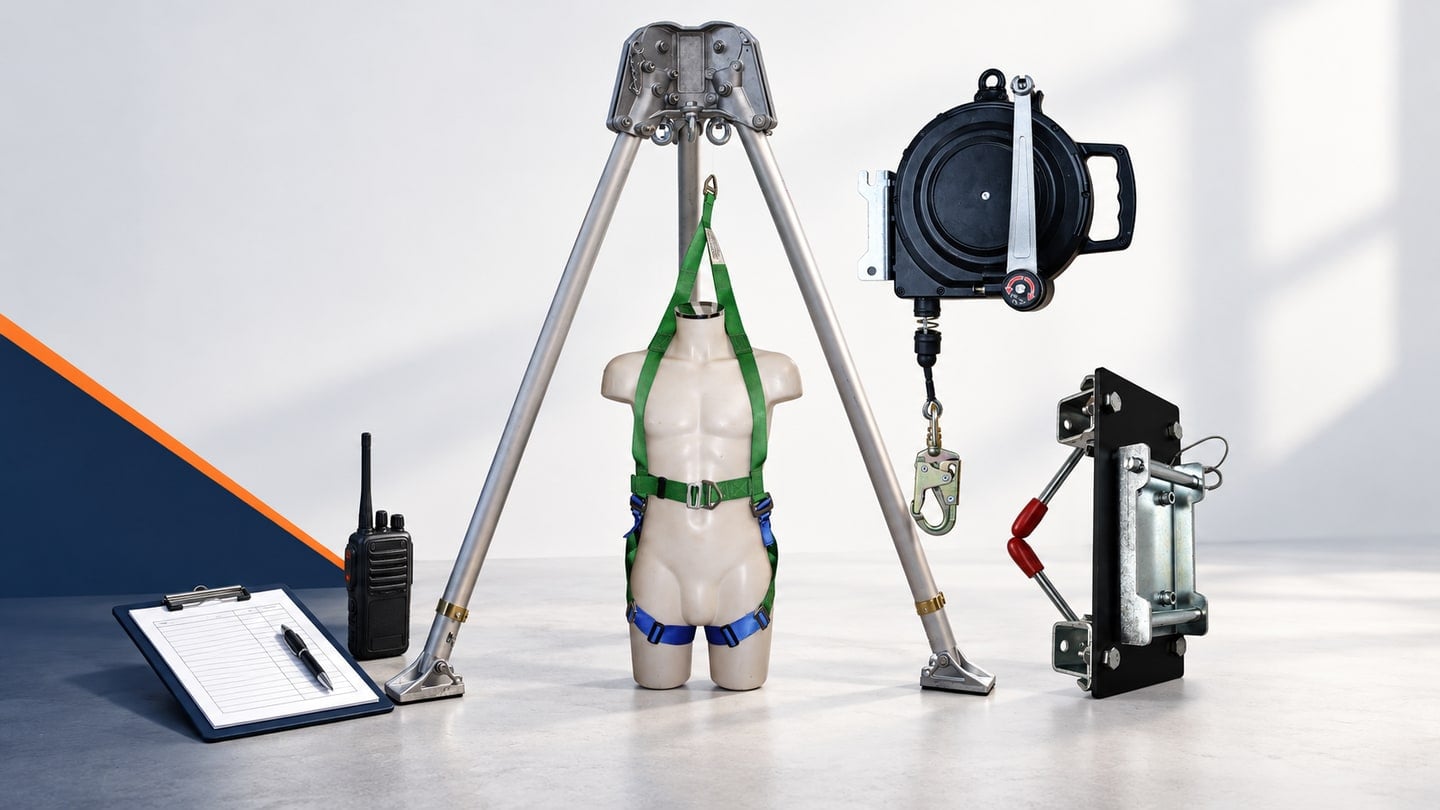
The Confined Space Standby Person Explained
Most confined space deaths are rescuers who entered. The standby person breaks that chain: their role, the golden rule never to enter, and the kit behind it.
1 min read
<p>Confined space entry and gas detection guidance: 4-gas monitors for H2S, CO and LEL, the daily bump-test law, escape sets, fall arrest and the standby person's role. Compliance-led, plain English.</p>
articles
Most confined space deaths are rescuers who entered. The standby person breaks that chain: their role, the golden rule never to enter, and the kit behind it.

An ELSA gives a fixed supply of clean air to escape a confined space. How to choose between 10 and 15-minute sets from your assessed escape time, with margin.
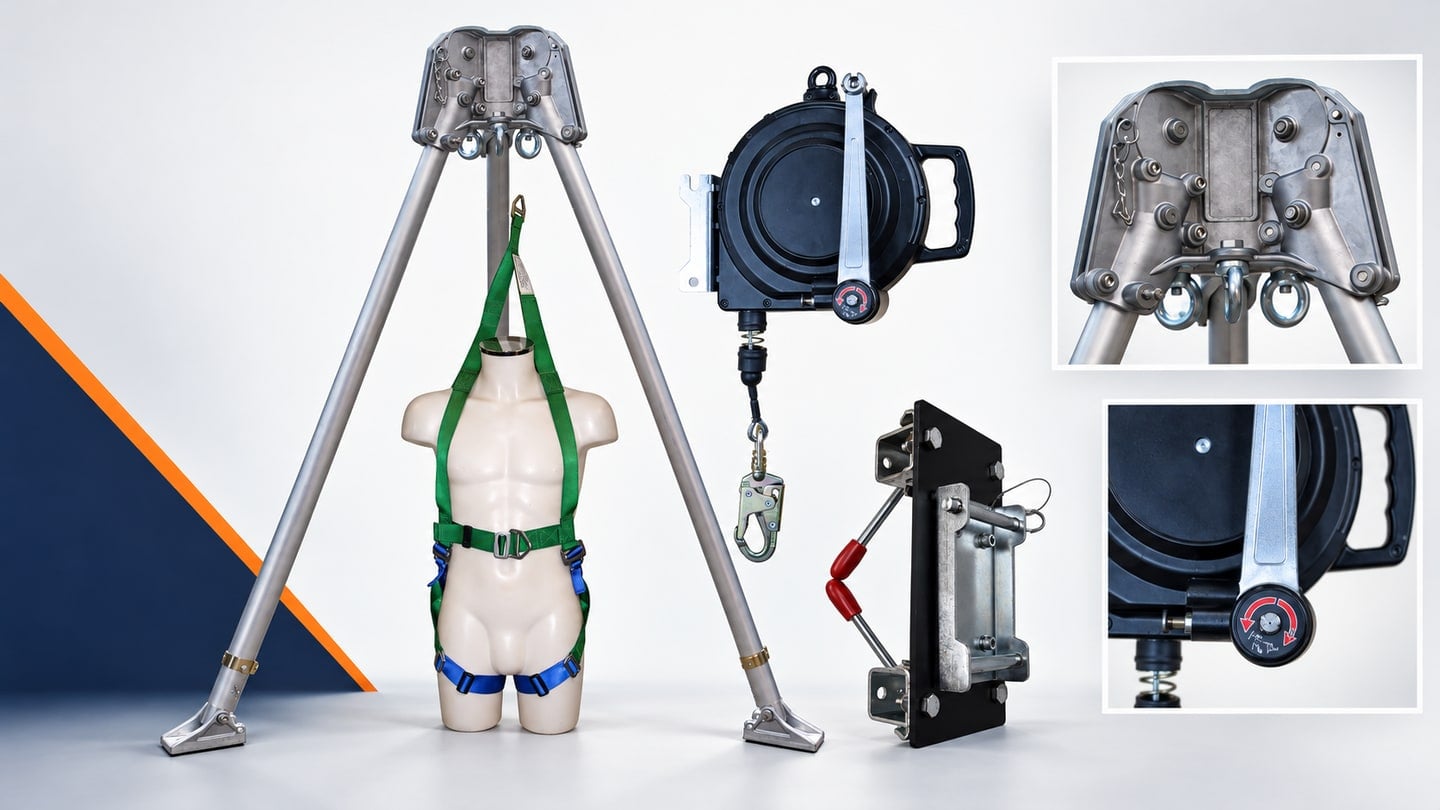
Fall arrest stops a fall, a man-riding winch carries a person, a recovery winch retrieves a casualty. Why mixing up these ratings can be fatal.

A bump test proves your detector will actually alarm, in under a minute, before each day's use. How it differs from calibration, and how to do it properly.

The four gases that cause most confined space deaths, and why you cannot sense them in time. What O2, LEL, CO and H2S do, and how to use a monitor properly.
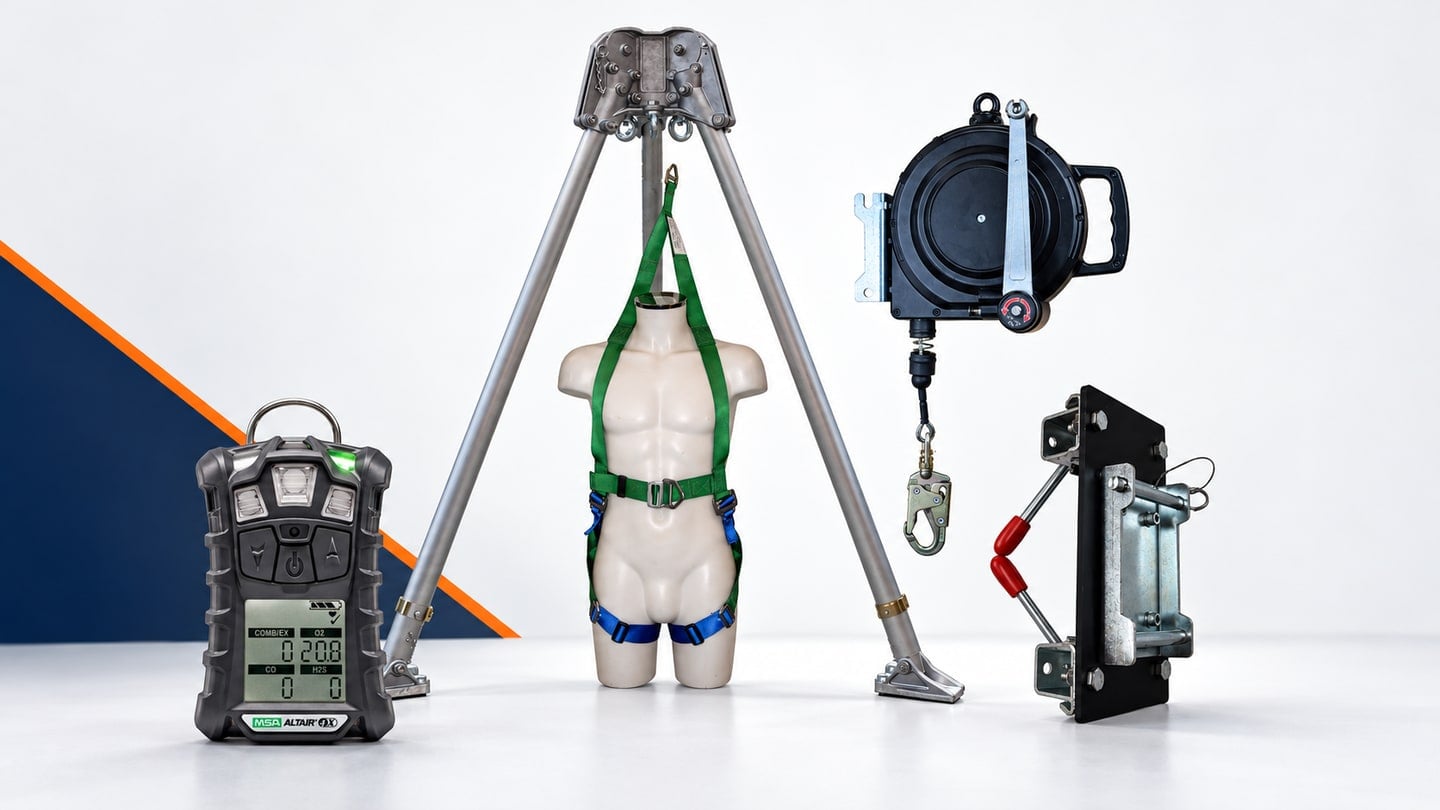
Confined spaces kill, often two at a time. The four things every entry needs: continuous gas monitoring, an escape set, non-entry rescue and a trained attendant.