
Radiodetection Noggin 250 SmartSled System | Vehicle-Towed GPR | High-Resolution Subsurface Mapping
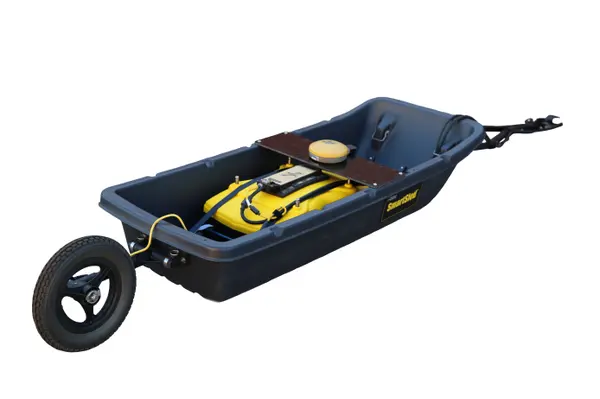
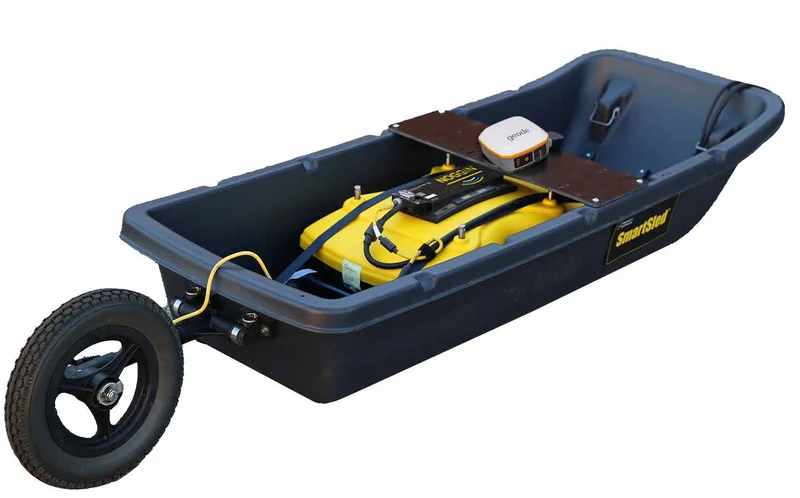
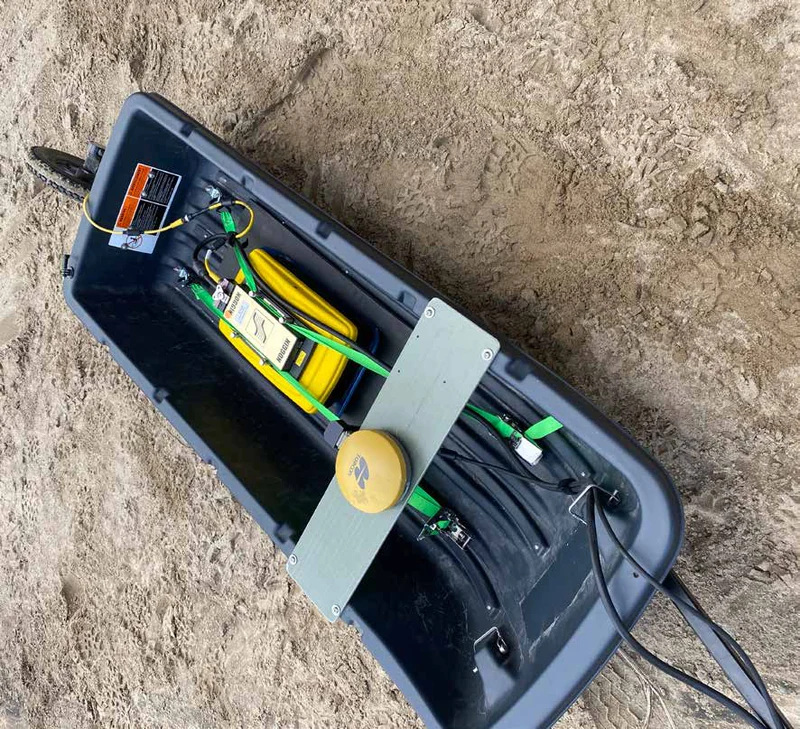
NOGGIN 250 SmartSled ground penetrating radar system with a 250 MHz sensor, towed protective sled and DVL-500N data logger.
What's in the Box
- NOGGIN 250 GPR sensor
- SmartSled deployment platform
- DVL-500N digital video logger
- 15 m cable and 1 m odometer extension cable
- SmartSled battery and charger
NOGGIN 250 SmartSled for ground surveys
NOGGIN 250 SmartSled ground penetrating radar system with a 250 MHz sensor, towed protective sled and DVL-500N data logger.
Choose a sensor for the site
The 250 MHz sensor offers a middle ground between penetration and detail. It is suited to surveys where deeper features matter but the job still calls for more detail than a 100 MHz setup can typically resolve.
Survey depth and detail depend on the ground, the material and size of the target, and the quality of the data. Conduct a test line on representative ground if the survey depends on a specific depth or target size.
Choose a platform for the survey route
The SmartSled protects the sensor in a low-profile carrier on routes that can be towed but are less suited to a push cart. Plan access for the sled, cable and operator.
Compare the NOGGIN 500 SmartSled for a different sensor on the same platform. For the same sensor on a different carrier, see the NOGGIN 250 SmartCart.
Set up positioning and reporting
The manufacturer configuration for this system code pairs the listed sensor and carrier with a DVL-500N. Use the data logger to collect survey lines or grids and review the results on site.
GNSS and any mounting hardware for it are separate options. Match them to the deployment platform and the positioning required for the job. For more advanced reporting, review the project’s software requirements before ordering.
Key specifications
| Sensor | NOGGIN 250, 250 MHz |
|---|---|
| Deployment | SmartSled |
| Data logger | DVL-500N |
| Positioning | Optional platform-specific GNSS kit |
Questions about this model
Which frequency should I choose?
The 250 MHz sensor offers a middle ground between penetration and detail. It is suited to surveys where deeper features matter but the job still calls for more detail than a 100 MHz setup can typically resolve.
Are GPS and RTK included?
The GNSS receiver, mounting kit and any correction service are separate. A suitable setup depends on the platform and the required positional accuracy.
Will the system reach a fixed depth?
Ground conductivity, moisture, target size and the chosen frequency all influence usable depth. Start with a representative test line where depth is critical.